Transform Your Space with Stunning lvp Flooring Options
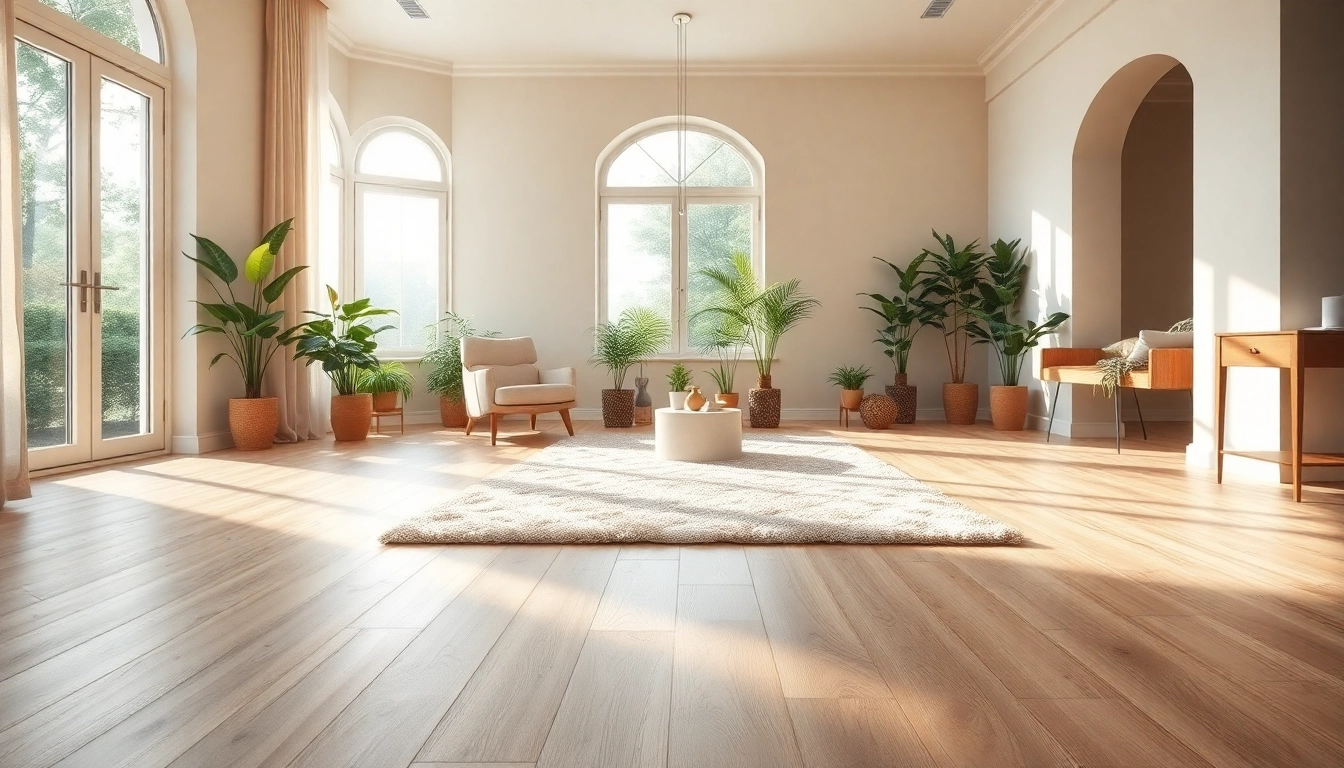
Understanding the Benefits of lvp Flooring
The choice of flooring can dramatically influence the ambiance and functionality of any space. lvp flooring has gained traction among homeowners and business owners alike for its versatile characteristics. This modern material offers a plethora of benefits that go beyond traditional flooring types.
Durability and Maintenance
One of the key attractions of lvp flooring is its durability. Crafted from robust materials, luxury vinyl planks can endure heavy foot traffic, making them an ideal choice for busy households and commercial spaces. With a wear layer that resists scratches, dents, and stains, lvp flooring remains intact much longer than traditional wood or laminate options.
Maintenance is straightforward; regular sweeping and occasional mopping with a recommended cleaner suffice to keep your floors looking pristine. Unlike hardwood, which needs refinishing over time, lvp flooring retains its quality without onerous maintenance routines.
Style and Aesthetic Appeal
Gone are the days when vinyl flooring was synonymous with cheap and unattractive designs. Today’s lvp flooring comes in a vast array of styles, colors, and textures that can replicate the aesthetics of natural materials like hardwood, stone, or ceramic. This diversity allows homeowners to achieve the desired look without the accompanying cost or upkeep of authentic materials.
The ability to customize your flooring choice can elevate the visual appeal of virtually any space, enhancing both personal and professional environments. Whether you prefer a rustic, modern, or elegant style, the right lvp flooring can effectively complement your décor.
Cost-Effectiveness
When considering flooring options, cost is a significant factor. Lvp flooring provides excellent value due to its competitive pricing when compared to other materials. Given its lifespan, durability, and low maintenance requirements, the initial investment pays off over time. Furthermore, the installation process is often simpler and less costly, particularly for DIY enthusiasts.
Types of lvp Flooring Available
Standard vs. Waterproof lvp Flooring
Lvp flooring is available in both standard and waterproof varieties. Standard lvp flooring suits most areas where moisture exposure is minimal. However, for spaces such as bathrooms, kitchens, or basements, waterproof lvp flooring is highly recommended. This type features specially designed materials that resist water damage, making them ideal for humid environments.
Design Variations and Patterns
The design possibilities with lvp flooring are virtually limitless. Homeowners can select from a wide range of colors, wood grain patterns, and tile effects, allowing for innovative and unique layout designs. The variety helps to cater to different tastes, ensuring that every individual can find a style that resonates with their vision for their space.
Eco-Friendly and Sustainable Options
In recent years, sustainable living has gained prominence, prompting the flooring industry to innovate. Many manufacturers now produce eco-friendly lvp flooring options made from recycled materials. Additionally, these products often have low or no volatile organic compounds (VOCs), contributing to healthier indoor air quality. When selecting lvp flooring, look for certifications that indicate environmentally responsible manufacturing practices.
Installation Process of lvp Flooring
Pre-Installation Preparation
Before diving into installation, pre-installation preparation is essential for achieving optimal results. Begin by measuring the space thoroughly, accounting for any irregularities or obstacles. Ensure the subfloor is clean, dry, and level to prevent complications during installation. If necessary, fix any foundation issues or use an underlayment to provide cushioning and sound insulation.
Step-by-Step Installation Guide
Installing lvp flooring can often be a straightforward process:
- Acclimate the Planks: Leave the planks in the room where they will be installed for 48 hours to adapt to the environment.
- Lay the Planks: Start laying planks from one corner of the room, ensuring that the side with the groove faces the wall.
- Connect Fastenings: Click or glue the planks together according to the specific type of lvp flooring being used.
- Trim and Fit: Use a utility knife to trim pieces that need to fit around corners, door frames, or other obstacles.
- Final Touches: Install baseboards or transition strips to seal the edges and complete the look.
Common Mistakes to Avoid
While installing lvp flooring can be a rewarding DIY project, several common mistakes can hinder the result:
- Neglecting Subfloor Preparation: Failing to adequately prepare the subfloor can lead to issues like uneven surfaces and premature wear.
- Incorrect Acclimation: Not allowing planks to adapt to room conditions can cause them to expand or contract post-installation.
- Poor Placement: Starting from the wrong corner or misaligning planks can lead to a crooked layout.
Caring for Your lvp Flooring
Daily Cleaning Practices
Maintaining lvp flooring is simple and effective. Regularly sweeping or vacuuming removes dust and debris without scratching the surface. For deeper cleaning, a damp mop with a developed cleaner is sufficient. Avoid harsh chemicals or abrasive scrubbing pads, as they can diminish the look of your flooring.
Dealing with Stains and Damage
Accidents happen, and knowing how to react to stains is vital for the longevity of your lvp flooring. Blot spills immediately with a clean cloth to prevent absorption, and utilize appropriate cleaners for specific stains. Minor scratches can often be concealed using a manufacturer-recommended repair kit.
Long-Term Maintenance Tips
Long-lasting lvp flooring requires occasional attention. Periodically check for wear and tear, particularly in high-traffic areas. Maintain indoor humidity levels and avoid exposing the flooring to extreme heat, which can warp the material. Also, consider indoor mats at entryways to minimize dirt and grit accumulation.
FAQs About lvp Flooring
What is lvp flooring?
Lvp flooring stands for luxury vinyl planks, a type of resilient flooring that mimics natural materials while providing durability and ease of maintenance.
How long does lvp flooring last?
With proper care, lvp flooring can last anywhere from 10 to 30 years, depending on the quality and maintenance practices followed.
Can lvp flooring be installed over existing floors?
Yes, lvp flooring can often be installed over existing flooring, provided the surface is level and stable. However, it’s essential to follow specific manufacturer guidelines.
Is lvp flooring resistant to water?
Water-resistant lvp flooring is specifically designed to withstand spills and moisture, making it suitable for bathrooms and kitchens.
What price range should I expect for lvp flooring?
The cost of lvp flooring varies widely based on quality and style but generally ranges from $2 to $7 per square foot, excluding installation.