Understanding the Appeal of Retro Appliance
There’s something undeniably charming about appliances with a retro flair. They evoke nostalgia while bringing a whimsical touch to modern homes. From vintage-inspired refrigerators that mimic classic designs, to brightly colored toasters that shine a light on the 1950s, the retro appliance movement does more than just decorate—they transform spaces and inspire warmth.
What Makes Retro Appliance Unique?
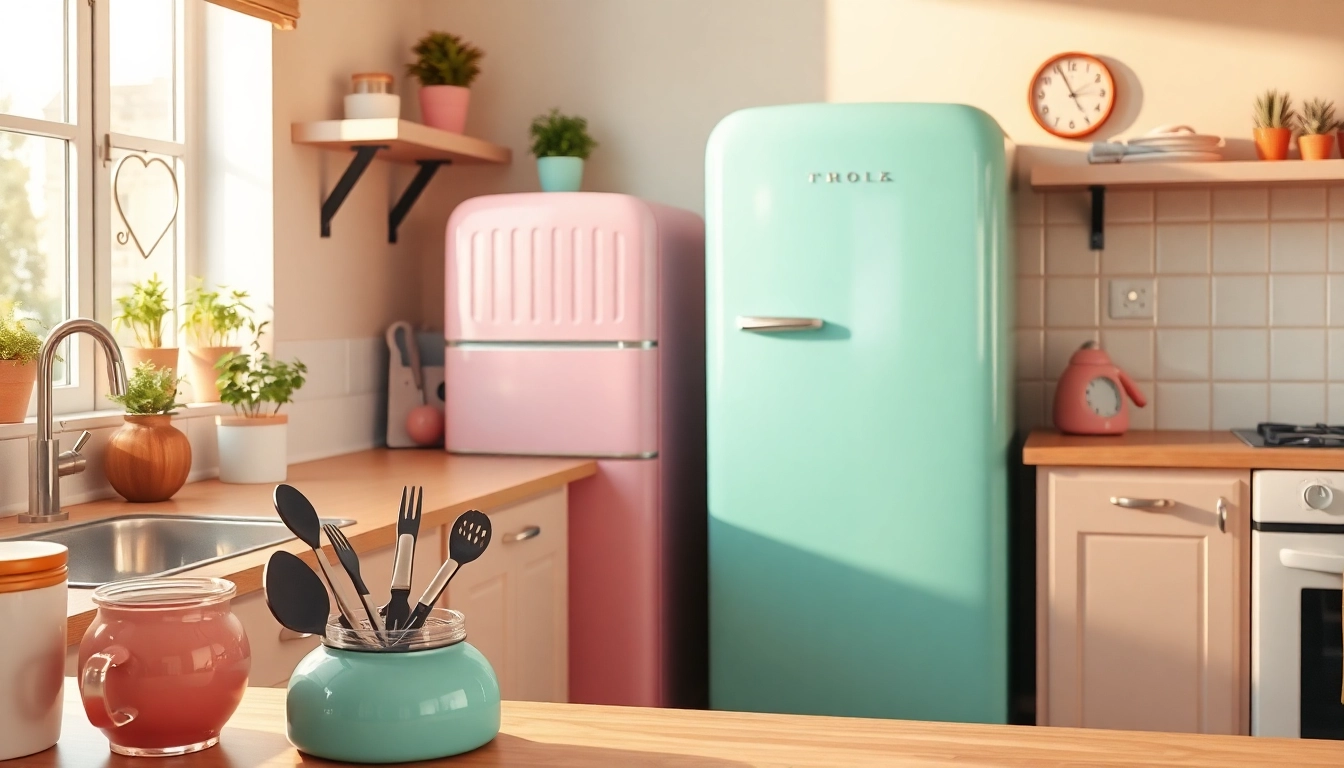
One of the hallmarks of a retro appliance is its unique design. Unlike contemporary appliances that often focus on sleek lines and minimalism, retro appliances embrace bold curves, vibrant colors, and interesting shapes, often drawing inspiration from the mid-20th century. This aesthetic not only represents an era of distinctive style but also resonates with consumers who enjoy the charm and history behind each piece.
The Design Elements of Retro Appliance
The design of retro appliances encompasses several key elements:
- Color Variety: Expect bright and cheerful colors such as pastel blues, yellows, and pinks, making these appliances a focal point in any kitchen.
- Curved Edges: Soft, rounded edges characterize most retro pieces, creating a sense of friendliness and approachability.
- Textured Finishes: Many retro appliances are coated in textured materials that add depth and visual interest.
- Iconic Branding: Often, retro appliances feature nostalgic logos and branding that celebrate their heritage.
Cultural Influence on Retro Aesthetic
The retro appliance trend is heavily influenced by the broader cultural movements of the past. In the aftermath of World War II, a newfound appreciation for domestic life and consumer goods emerged. Appliances became not only functional tools but also symbols of comfort and status. The resurgence of retro style in recent years can be attributed to a collective yearning for simpler times, where craftsmanship and character took precedence over mass production.
Choosing the Right Retro Appliance for Your Space
Selecting the perfect retro appliance for your home is a multifaceted task. It requires consideration of style, functionality, and how an appliance will integrate into your existing decor.
Factors to Consider When Selecting Retro Appliance
- Space Availability: Measure the designated area and ensure that the appliance fits without cramping the space.
- Usage Needs: Assess your cooking and storage habits. Are you an occasional cook, or do you need an appliance that can handle heavy use?
- Budget: Determine how much you’re willing to invest in a retro appliance. While they can range from affordable to premium prices, it’s essential to find a balance between cost and quality.
Color Schemes and Room Compatibility
When choosing a color for your retro appliance, think about the overall color scheme of your kitchen. Bright colors can create a playful atmosphere, while more subdued pastels can contribute to a sophisticated elegance. Try to coordinate the appliance’s color with existing cabinetry and countertops for a cohesive look, or you can use it as an accent piece that draws the eye and adds a pop of excitement.
Balancing Functionality with Style
While the aesthetic appeal of retro appliances is undeniable, it’s crucial to ensure they don’t compromise functionality. Look for appliances that offer advanced features while still showcasing a vintage design. For example, some retro refrigerators come with modern cooling technology and energy efficiency, marrying style with practicality—a vital balance for any kitchen.
Maintenance Tips for Retro Appliance
Cleaning and Care Guidelines
To keep your retro appliance looking pristine, follow these tips:
- Regular Dusting: Wipe down surfaces with a soft cloth to prevent dust accumulation.
- Stainless Steel Care: If your appliance has stainless features, use a specialized cleaner to avoid streaks.
- Interior Cleaning: Regularly clean the interior of your fridge or oven to prevent odors and maintain hygiene.
Common Issues and Troubleshooting
Like any appliance, retro appliances may encounter common issues. Here’s how to troubleshoot:
- Power Issues: Check the outlet or fuse to see if there’s an electrical problem.
- Unusual Noises: Sounds occasionally happen as components age; ensure all fixtures are secure and free of debris.
- Temperature Fluctuations: In refrigerators, ensure that vents are not blocked and that the thermostat functions correctly.
Upgrading Components for Longevity
If your retro appliance is starting to show its age, consider upgrading certain components instead of replacing the entire unit. Many appliances allow for replacement parts that improve efficiency and lifespan, such as modern motors or energy-efficient units that fit the design aesthetic.
Incorporating Retro Appliance into Modern Homes
Integrating retro appliances into your home doesn’t mean sacrificing modern design ideas. Instead, it allows you to create a layered look that celebrates history while embracing the present.
Mixing Retro with Contemporary Styles
One of the most exciting aspects of retro design is its ability to blend seamlessly with contemporary decor. Pair a retro stove with stainless-steel countertops or use vintage cabinetry alongside modern kitchen fixtures to create an eclectic but harmonious environment. Layering styles allows for personal expression while maintaining a sense of unity throughout the space.
Spotlight on Popular Retro Appliance Trends
As the interest in retro aesthetics has surged, several trends have emerged:
- Mixed Materials: Combining metal, wood, and colored finishes enhances visual interest.
- Pastel Palettes: Soft pinks, mint greens, and light blues are favored choices that harken back to mid-century designs.
- Compact Sizes: Smaller kitchens benefit from new designs that reduce footprint but maintain functionality.
Case Studies: Successful Retro Integrations
Many homeowners are successfully blending retro appliances into their spaces. For instance, an open-concept kitchen designed with a pastel blue retro fridge stands out against contemporary white cabinetry, becoming a conversation piece. Another case involved upgrading a classic diner-styled kitchen with modern tables and chairs, emphasizing the nostalgic dining experience without losing modern comforts.
FAQs about Retro Appliance
What defines a retro appliance?
A retro appliance typically features designs that are inspired by styles from past decades, often characterized by bold colors and vintage aesthetics.
Are retro appliances energy-efficient?
Many modern retro appliances are designed to be energy-efficient, combining nostalgic design with contemporary energy-saving technology.
Can retro appliances fit in small spaces?
Yes, many retro appliances come in compact sizes, making them suitable for small kitchens or apartments without sacrificing style.
How do I maintain my retro appliance?
Regular cleaning and following specific care instructions can help maintain your retro appliance, ensuring it stays functional and attractive.
Where can I buy retro appliances?
Retro appliances are available online, at specialty appliance stores, and through various home improvement retailers.