Understanding Marginal Pond Plants
Creating a thriving pond ecosystem goes beyond selecting the right water features and fish; one crucial element that often gets overlooked is the choice of plants. Marginal pond plants are essential for achieving a balanced aquatic environment. These plants, which thrive in shallow waters at the edges of ponds, provide numerous benefits—from enhancing water quality to creating habitats for wildlife. When exploring options, Marginal Pond Plants can offer both aesthetic and ecological advantages that enrich your garden space.
What Are Marginal Pond Plants?
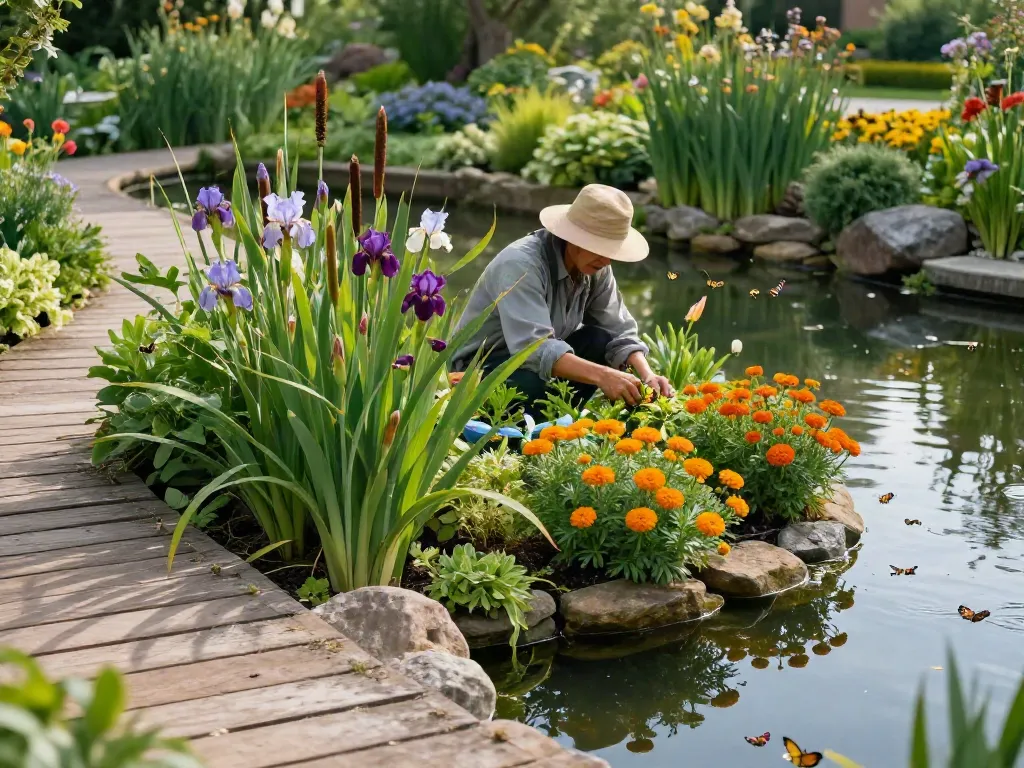
Marginal pond plants, also known as emergent plants, typically grow in shallow water, where they root in the substrate while their foliage protrudes above the surface. These plants are usually found in water that is 1–12 inches deep, making them perfect for the edges of ponds and water gardens. Common examples include various species of irises, cattails, and marsh marigolds. While they serve essential functions in the ecosystem, they also add striking visual interest to garden landscapes.
Importance in Ecosystem Balance
The importance of marginal pond plants extends beyond mere aesthetics. They play a vital role in maintaining the ecosystem's health by mitigating water pollution, preventing erosion, and providing habitat for diverse wildlife. Their root systems help stabilize pond banks and promote sedimentation, which leads to improved water clarity. Furthermore, these plants can absorb excess nutrients from the water, thus preventing algal blooms and promoting a more balanced aquatic environment.
Common Types and Their Benefits
There are numerous varieties of marginal pond plants, each offering unique benefits:
- Water Iris (Iris pseudacorus): Known for its striking yellow flowers, this plant provides habitat for amphibians and improves water quality by filtering pollutants.
- Cattails (Typha spp.): These tall plants are excellent for erosion control and can thrive in various water conditions, providing shelter for fish and birds.
- Marsh Marigold (Caltha palustris): A delightful spring bloomer, it attracts pollinators and adds color to the landscape.
- Skunk Cabbage (Symplocarpus foetidus): While often overlooked, this plant helps in soil stabilization and provides early-season nectar for insects.
Choosing the Right Marginal Pond Plants
Factors to Consider for Selection
When selecting marginal pond plants, it's essential to consider various factors such as climate, pond size, and water depth. Different species have specific requirements and growth habits that influence their suitability for your pond. For instance, species native to your region will often thrive better due to their adaptation to local conditions. Moreover, consider the space available; overcrowding can lead to competition for resources and affect the overall health of your pond.
Best Marginal Pond Plants for Different Climates
Choosing the right plants for your climate can make all the difference. In cooler regions, hardy plants like Water Iris and Sweet Flag (Acorus calamus) can withstand frost and provide year-round beauty. In warmer climates, opt for tropical varieties such as Blue Flag Iris (Iris virginica) that add striking color and thrive in heat. Always research the hardiness zones of your chosen plants to ensure they will survive seasonal variations.
Matching Plants to Pond Depth
Understanding the depth at which different marginal pond plants thrive is crucial. Many marginal plants prefer water levels ranging from 1 to 12 inches deep. Make sure to plant them in areas of your pond that meet these depth requirements for optimum growth and health. Some species, like Cattails, can also tolerate deeper conditions, while others are more suited for the shallower edges.
Planting and Care Tips for Marginal Pond Plants
Ideal Soil and Water Conditions
Creating an optimal environment for marginal pond plants begins with understanding their soil and water needs. Most marginal plants thrive in nutrient-rich soil that retains moisture without becoming waterlogged. It's advisable to add a layer of aquatic planting media that can support healthy root growth. Water conditions should be stable, with little fluctuation in temperature and clarity, to encourage healthy development.
Seasonal Maintenance Practices
Seasonal maintenance is vital for maintaining the health of your marginal pond plants. In spring, focus on removing any debris or algae buildup and consider dividing overgrown plants to promote healthy growth. During fall, cut back dead foliage to prevent disease and allow for new growth in the following season. Regular checks for signs of pests or disease will also help maintain your pond's health.
Pest and Disease Management
Marginal pond plants can be susceptible to various pests and diseases. Common issues include aphids, caterpillars, and fungal infections. Implementing natural pest control measures, such as introducing beneficial insects or using organic pesticides, can help manage these problems. Keeping your pond clean and ensuring good water quality will also reduce the likelihood of disease.
Benefits of Using Marginal Pond Plants
Natural Filtration and Water Quality Improvement
One of the most significant advantages of incorporating marginal pond plants into your pond ecosystem is their ability to naturally filter water. These plants absorb excess nutrients, helping to control algae growth and enhance water clarity. By creating a balanced nutrient cycle, marginal plants contribute to a healthier aquatic environment while reducing the need for chemical treatments.
Wildlife Habitat Creation
Marginal pond plants are crucial in creating habitats for various wildlife, including birds, amphibians, and beneficial insects. By providing shelter and food sources, these plants support biodiversity and contribute to the overall ecosystem health. Consider incorporating a variety of species to attract different forms of wildlife to your pond.
Aesthetic Enhancements for Garden Design
In addition to their ecological benefits, marginal pond plants add beauty and character to water features. Their vibrant colors, varying textures, and seasonal blooms can transform a bland garden into a picturesque landscape. Positioning these plants strategically around the pond's edge can create a natural look that enhances the overall aesthetic appeal.
Common Misconceptions About Marginal Pond Plants
Busting Myths About Maintenance Efforts
A common misconception is that marginal pond plants require excessive maintenance. While some attention is necessary, many species are low-maintenance and can thrive with minimal intervention once established. Regular seasonal checks and simple upkeep can allow you to enjoy your pond without the burden of constant work.
Environmental Impact Misunderstandings
Another misconception is the belief that introducing marginal pond plants can disrupt local ecosystems. In reality, native species help promote biodiversity and restore natural habitats. By choosing native marginal plants, you can support local wildlife and contribute to ecosystem stability.
Future Trends for Aquatic Gardening (2026 and Beyond)
As we look toward the future, trends in aquatic gardening are shifting towards sustainable practices and biodiversity. Increasing awareness of environmental issues is driving gardeners to choose native and drought-resistant plants that require less maintenance and support local wildlife. In 2026 and beyond, we can expect to see a rise in technologies that assist in managing water quality and promoting ecological balance within garden ponds.
What are the best marginal plants for ponds?
The best marginal plants for ponds include Water Iris, Cattails, Marsh Marigolds, and Sweet Flag. These species are known for their beauty, resilience, and ability to improve water quality.
How deep do you plant marginal pond plants?
Marginal pond plants thrive best in water that is 1 to 12 inches deep. Ensuring that they are planted at the right depth helps promote their growth and stability.
What do marginal pond plants mean?
Marginal pond plants refer to aquatic plants that grow in shallow water at the edges of ponds, providing benefits such as habitat creation, water filtration, and aesthetic appeal.