Understanding Shower Screen Door Types
Framed vs. Frameless Designs
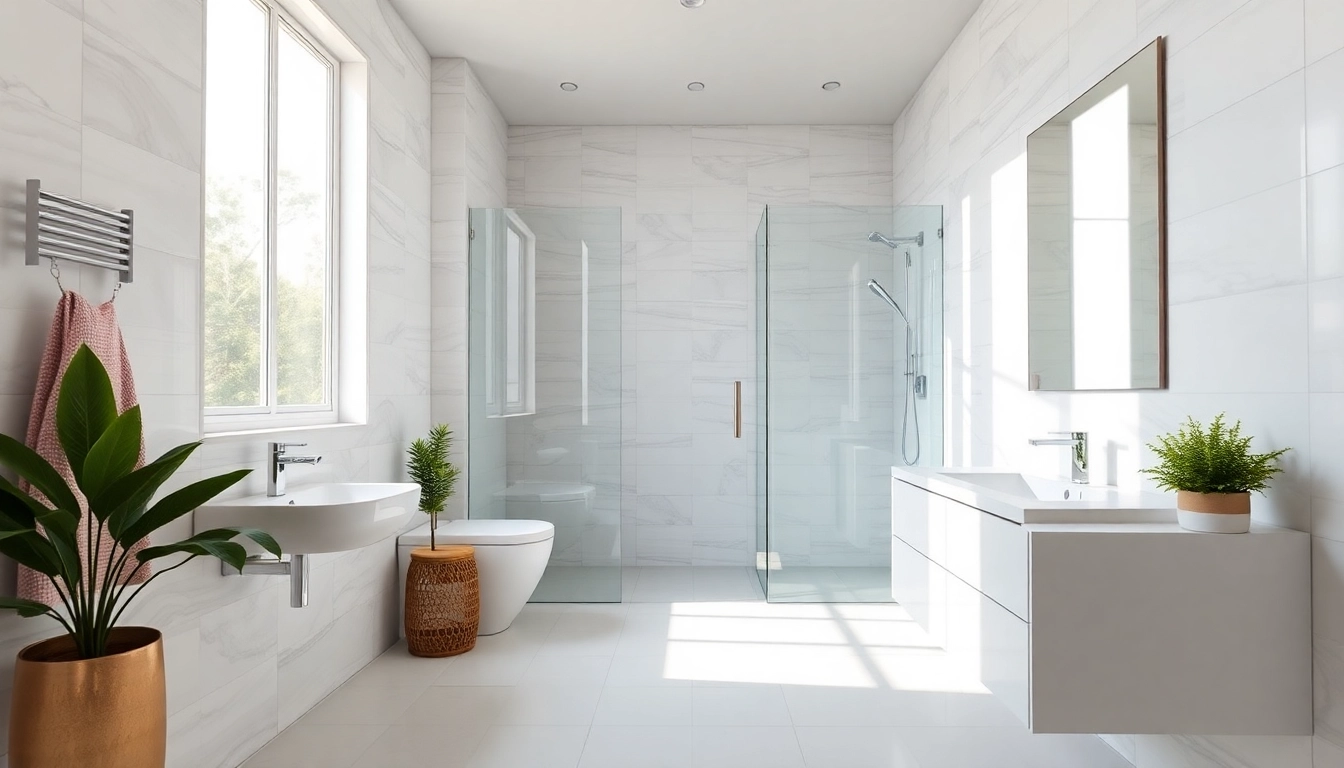
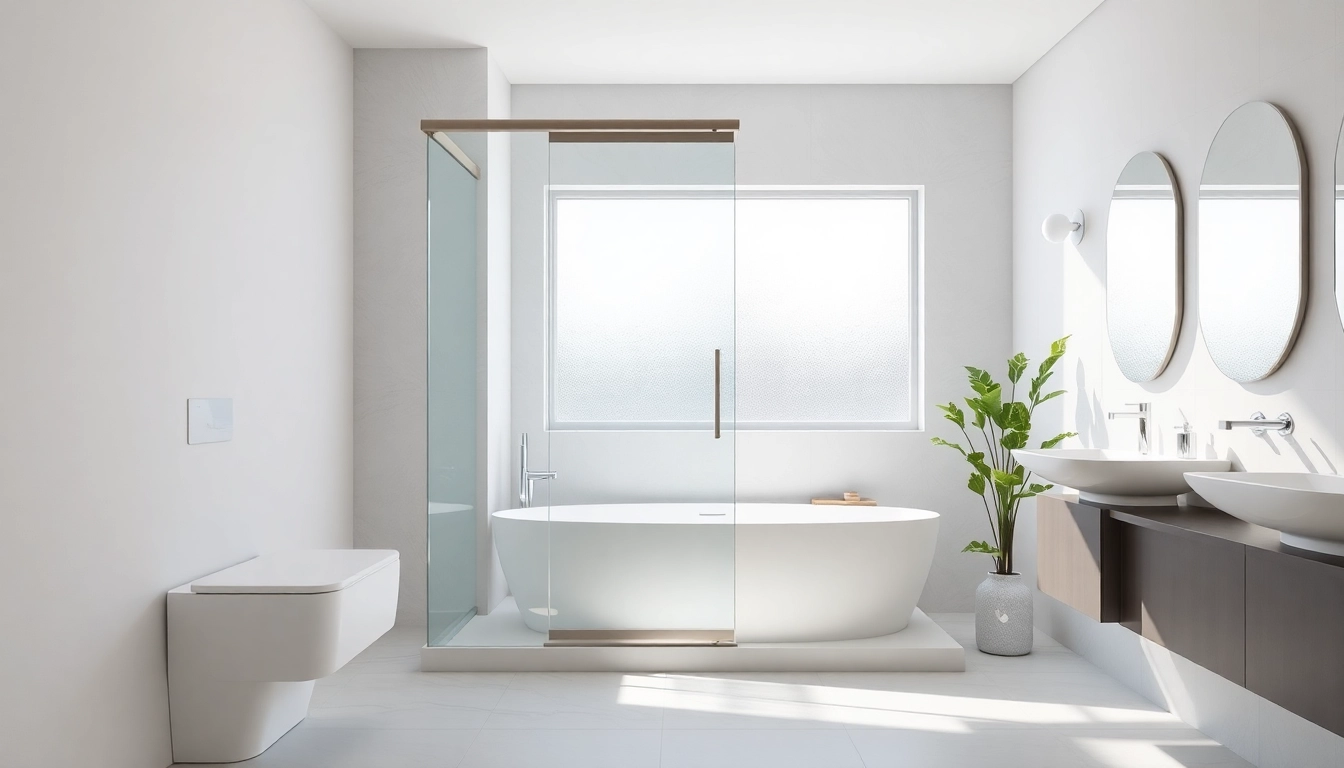
When it comes to choosing a shower screen door, the first decision typically revolves around framed versus frameless designs. Framed shower doors feature a sturdy metal frame that surrounds the glass panels, providing a defined structure that adds durability. These are usually more budget-friendly, making them an attractive option for many homeowners. On the other hand, frameless designs offer a sleek and modern aesthetic, utilizing heavy glass panels that do not require a frame for support. This minimalist approach not only enhances visual appeal but also provides a more open and spacious feel, making bathrooms look larger.
Sliding vs. Hinged Options
The next consideration involves the door mechanism—sliding versus hinged. Sliding shower doors glide along tracks and are ideal for smaller bathrooms where space is at a premium. They open up without taking additional space, allowing easier access with a smooth motion. Conversely, hinged shower doors swing outward or inward on hinges, providing a classic look and a slightly wider entry. However, they require ample space to operate effectively, making them more suitable for larger bathrooms.
Materials and Durability
The materials used in a shower screen door significantly impact its durability and overall maintenance. Most shower doors are crafted from tempered glass, which is treated for increased strength. This glass is not only less likely to shatter upon impact, but it also offers enhanced resistance to scratches and corrosion. Furthermore, various finishes are available, such as clear, frosted, or patterned glass, allowing homeowners to choose an option that aligns with their desired level of privacy and light filtration. When selecting a shower door, it's crucial to consider how materials will stand up against frequent usage and moisture in a bathroom setting.
Benefits of Installing a Shower Screen Door
Enhanced Bathroom Aesthetics
One of the primary benefits of installing a shower screen door is its impact on bathroom aesthetics. Whether you opt for a sleek frameless design or a classic framed option, a shower screen door immediately elevates the look of your space. It draws the eye, creates a focal point, and adds a luxurious touch to what might otherwise be a mundane area in your home. By selecting the right style and finish, a shower screen door can seamlessly blend with existing décor, contributing to an overall sophisticated aesthetic.
Improved Water Control
Another significant advantage is enhanced water control. Shower curtains can often allow water to escape, leading to slippery bathroom floors and potential water damage over time. In contrast, a well-installed shower screen door features a tight seal that effectively prevents water from leaking onto the bathroom floor. This not only keeps your bathroom cleaner but also eliminates the risk of mold and mildew development, promoting a healthier environment. Thus, investing in a quality shower screen door pays off in both aesthetics and functionality.
Easy Maintenance Solutions
Shower screen doors are also easier to maintain compared to traditional shower curtains. Glass surfaces can be easily wiped down with common cleaning solutions, making it a breeze to keep them looking sparkling. Unlike curtains, which can harbor mildew and odors, glass doors won't absorb moisture and odors, leading to a fresher bathroom atmosphere. This ease of maintenance is often a deciding factor for many homeowners looking for a practical solution that does not compromise on style.
Choosing the Perfect Size and Fit
Measuring Your Shower Space
Before selecting a shower screen door, measuring your shower space is paramount. Start by using a measuring tape to determine the height and width of the shower entry. Standard shower door sizes vary, but most will require a specific range of dimensions. Pay attention to any obstructions such as grab bars or fixtures that may impede the installation process. Accurate measurements are the foundation for ensuring a proper fit, so take your time to complete this step diligently.
Consideration for Bathroom Layout
After taking measurements, consider your bathroom's layout. The configuration of your bathroom can affect the type of shower screen door that is most suitable. For example, if space is limited, a sliding door may be the best option, as it will not require clearance space for door swing. On the other hand, if you have a spacious area, a hinged door can add a traditional look while providing ample access. Visualizing how your shower screen door integrates with the entirety of your bathroom will help you make an informed decision.
Adjustments for Unique Installations
Unique installations may necessitate adjustments in both measurements and design. If your shower has an irregular shape or if you are working within a confined area, custom solutions such as bi-fold or corner doors might be appropriate. Take the time to consult with professionals who specialize in shower installations to discuss solutions tailored to your specific needs. Custom options may come at a higher price point, but they can provide a perfect fit and unparalleled functionality.
Installation Tips for Your Shower Screen Door
Essential Tools Required
When preparing to install your shower screen door, ensure you have all the necessary tools on hand. You'll typically need a power drill, screws, a level, measuring tape, silicone sealant, and possibly a stud finder. Having quality tools not only streamlines the installation process but also helps ensure a professional-looking finish. Before you start, take the time to familiarize yourself with the manufacturer's instructions as requirements can differ by model.
Step-by-Step Installation Guide
To install your shower screen door, begin by marking the position on the wall where it will be fixed. Use the level to ensure that your markings are straight. Next, drill holes for the anchors and secure the wall brackets. Once the brackets are in place, carefully align and hang the glass panel according to the manufacturer's instructions. Finalize the installation by sealing any edges with silicone to prevent leaks and ensure longevity. Following these steps diligently will lead to a successful installation.
Common Installation Mistakes to Avoid
Many DIY installations go awry due to common mistakes. One of the biggest pitfalls is neglecting to measure twice before cutting or drilling, leading to poor fits or collisions with existing fixtures. Skipping the sealing process can also lead to water leaks and subsequent damage. Additionally, insufficient weight support can cause hinges to fail over time. By being attentive to details and following the installation guide closely, many of these mistakes can be avoided.
Maintaining Your Shower Screen Door
Cleaning Techniques for Longevity
Regular maintenance is crucial for preserving the appearance and functionality of your shower screen door. Employ a non-abrasive cleaner and a microfiber cloth for gentle cleaning, effectively removing soap scum, hard water deposits, and grime without scratching the surface. Products specifically designed for glass are beneficial, but you can also use natural solutions such as vinegar mixed with water. Consistent cleaning will prevent buildup, making it easier to maintain the glass in pristine condition.
Addressing Common Wear and Tear
Over time, you may notice common wear and tear, including scratched surfaces or loosening hinges. While minor scratches can often be polished out, deeper gouges may require professional repairs. If hinges become loose, inspect them and tighten if necessary. If they are damaged, replacing them is essential for continued safe operation. Regular checks on the integrity of the door can alert you to potential issues before they escalate.
Seasonal Maintenance Tips
Seasonal changes can also impact the maintenance of your shower screen door. In humid months, ensure that ventilation is adequate to stave off mold growth. During colder months, pay special attention to potential freezing issues. Scheduling a thorough inspection and cleaning before and after the peak seasons will help maintain functionality and appearance year-round. Consider adapting your cleaning schedule based on these seasonal factors to keep your shower door in the best condition possible.
FAQs
What are the main types of shower screen doors?
Shower screen doors mainly fall into four categories: framed, frameless, sliding, and hinged. Each type offers unique advantages tailored to specific preferences and bathroom designs.
How do I measure for a shower screen door?
To measure correctly, record the width and height of your shower entry, ensuring to account for any potential obstructions to ensure a precise fit.
Can I install a shower screen door myself?
Yes, you can install a shower screen door yourself. With the correct tools and following a detailed installation guide, many homeowners successfully complete the job.
How do I clean my shower screen door?
Use a non-abrasive cleaner and a soft cloth for cleaning. Steer clear of harsh chemicals that might damage the finishes or glass integrity.
How often should I maintain my shower screen door?
Regular cleaning after each use, with deeper maintenance weekly, enhances the longevity and functionality of your shower screen door.