What is Drayage?
Definition and Overview
Drayage refers to the transportation of shipping containers by truck to their final destination. This often involves moving goods over short distances, typically within less than 50 miles. Drayage is a crucial segment of the shipping and logistics industry, acting as the bridge between longer-haul transportation modalities—such as ocean freight or rail transport—and the final delivery point, often a warehouse or retail location. The term is derived from the word “dray,” which refers to a low-built cart or wagon used to transport goods in the past. While the concept might seem straightforward, drayage services play a vital role in ensuring the seamless flow of goods in the global supply chain. Understanding the nuances of drayage can enhance your logistics planning and execution strategies, particularly when concerning containerized freight management. For deep insights into drayage logistics, you can explore related sources such as Drayage.
Importance in Shipping Logistics
Drayage services are fundamental in shipping logistics as they link different transport modalities, facilitate timely delivery of goods, and help manage inventory effectively. They play a key role in the supply chain, especially in intermodal transportation systems, where goods are transferred between different modes of shipping, such as rail and truck. This segment impacts the overall shipping experience by determining efficiency, cost, and timeliness. Efficient drayage operations can significantly lessen delays, which often ripple throughout the entire logistics network. Furthermore, as e-commerce continues to rise, the importance of effective drayage has surged, as quick and efficient last-mile delivery becomes paramount for customer satisfaction.
Common Drayage Scenarios
Drayage services are utilized in several common scenarios within shipping logistics, including:
- Port Drayage: This involves transporting containers between ports and nearby distribution centers or rail facilities. Port drayage is often time-sensitive due to the need to quickly move goods off ships to reduce port congestion.
- Rail Drayage: Rail drayage consists of moving containers from rail terminals to their final destinations, such as warehouses or retail locations, and vice versa. This type of drayage is crucial in intermodal shipping where containers are transferred between trains and trucks.
- Intermodal Drayage: Here, drayage connects various freight modes, effectively ensuring that containers can travel seamlessly from ships to trucks or trains, enhancing the efficiency of the entire supply chain.
Types of Drayage Services
Port Drayage
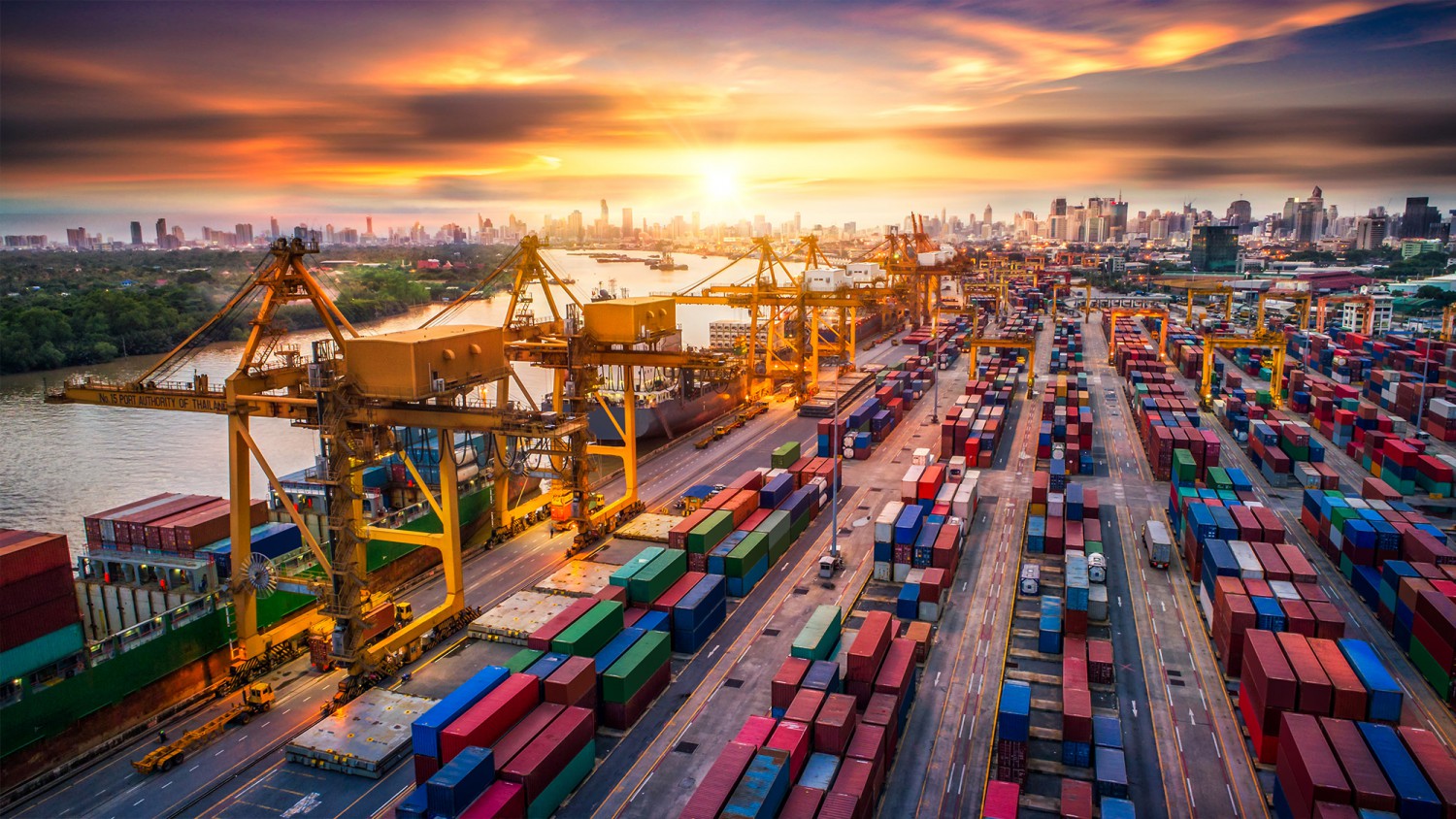
Port drayage is a predominant type of drayage service, focusing on the short-distance transportation of containers from shipping ports. The main objective here is to streamline the logistics processes associated with unloading cargo from large vessels and transferring it to various distribution points. This service is critical in high-traffic ports where timely unloading and pick-up minimize congestion and delays. Port drayage also poses unique challenges, including tight scheduling (to avoid demurrage charges) and dealing with potential bottlenecks at ports, necessitating effective route planning and robust partnerships with local trucking companies.
Rail Drayage
In rail drayage, the focus is on transferring containers between rail yards and final delivery locations. This service can involve more intricate logistics planning since it requires coordination with both rail operators and truck logistics. Rail drayage often highlights the importance of timing and reliability since delays in rail transport can directly affect delivery commitments. The cost implications also play a significant role, where poor handling of drayage can escalate overall shipping expenses.
Intermodal Drayage
Intermodal drayage integrates various modes of transport—like truck and rail—to ensure containers can be moved efficiently through the logistics network. By utilizing intermodal drayage, companies can capitalize on the strengths of each transport method, optimizing cost and efficiency. This service is vital in today's marketplace, where companies seek to minimize transportation costs while maintaining quality service levels. Intermodal drayage requires optimized logistics partnerships and a thorough understanding of the intermodal shipping process to mitigate potential delays and reduce overall costs.
Common Challenges in Drayage
Traffic and Congestion Issues
Traffic congestion is a significant challenge facing drayage operations, especially in urban regions with busy ports. Delays due to traffic can lead to downtime, increased costs, and missed delivery schedules. It's essential for drayage companies to leverage predictive analytics and real-time traffic data to strategize their routes and identify optimal times for pickup and delivery. Effective scheduling, route optimization, and utilizing technology can help alleviate these issues while enhancing overall efficiency.
Cost Management
Cost control in drayage services is crucial due to ever-fluctuating market demands and fuel prices. Companies must balance operational costs with the need to offer competitive pricing. Implementing cost-effective strategies, like negotiating with suppliers or enhancing the driver management process, can contribute significantly to lowering overall expenses. Furthermore, strategies such as freight audit processes can help identify cost-drivers, therefore improving profit margins and operational efficiencies.
Regulatory Compliance
Drayage operations are subject to numerous regulations surrounding shipping and transportation. Compliance with policies related to safety, emissions, and freight transport can be complex. Companies must remain updated on changing regulations to avoid potential fines and disruptions in service. Establishing clear procedures for compliance, conducting regular training sessions, and employing compliance experts can help mitigate risks associated with regulatory issues.
Best Practices for Drayage
Optimizing Routes
Route optimization is crucial for efficiency and cost savings in drayage operations. By using advanced logistics software, companies can analyze various route options in real-time, taking into account factors like traffic patterns, delivery windows, and road conditions. This not only helps in planning shorter, more efficient routes but also reduces fuel consumption and minimizes environmental impact. Collaboration with local drivers who have experience in navigating heavy traffic areas can also provide valuable insights that improve route planning processes.
Effective Load Management
Effective load management involves understanding the capacity and limitations of vehicles and ensuring that trucks are utilized efficiently. Overloading can lead to increased wear-and-tear on vehicles and potential legal issues, while underloading wastes resources. Implementing better load planning, utilizing weight management technology, and encouraging the use of specialized containers can significantly improve efficiency and reduce costs.
Technology in Drayage Operations
Technology plays a transformative role in modern drayage operations. From transportation management systems (TMS) to automated scheduling software and real-time tracking applications, technology enables companies to streamline their processes and enhance service delivery. By investing in these technologies, businesses can enhance communication with drivers, improve cargo visibility, and automate time-consuming manual tasks, leading to more effective and efficient operations.
Future Trends in Drayage
Impact of Technology
The continuous evolution of technology will significantly impact the drayage business. Innovations such as artificial intelligence, machine learning, and blockchain are expected to revolutionize freight tracking, enhance transparency, and improve predictive analytics. These advancements will help companies make data-driven decisions, which can lead to improved efficiencies, lower costs, and better customer service.
Environmental Considerations
With growing concerns about environmental sustainability, the drayage industry is under increasing pressure to minimize its ecological footprint. This might include adopting greener technologies, using fuel-efficient vehicles, or optimizing routes to reduce emissions. Many companies are investing in eco-friendly practices, recognizing that sustainability can also lead to cost savings in the long run. Compliance with emerging environmental regulations will be crucial for industry stakeholders.
Market Dynamics and Predictions
The drayage market is expected to evolve significantly over the coming years. With shifts in consumer behavior, increased e-commerce demand, and changes in trade policies, paying attention to market dynamics will be essential for logistics companies. By understanding these changes and adapting operational strategies accordingly, businesses can position themselves favorably within the ever-competitive landscape. Predictions also indicate a growing trend toward consolidation among drayage carriers, which could lead to enhanced service offerings and more competitive pricing structures.