Understanding Structural Steel Welding
Definition and Importance of Structural Steel Welding
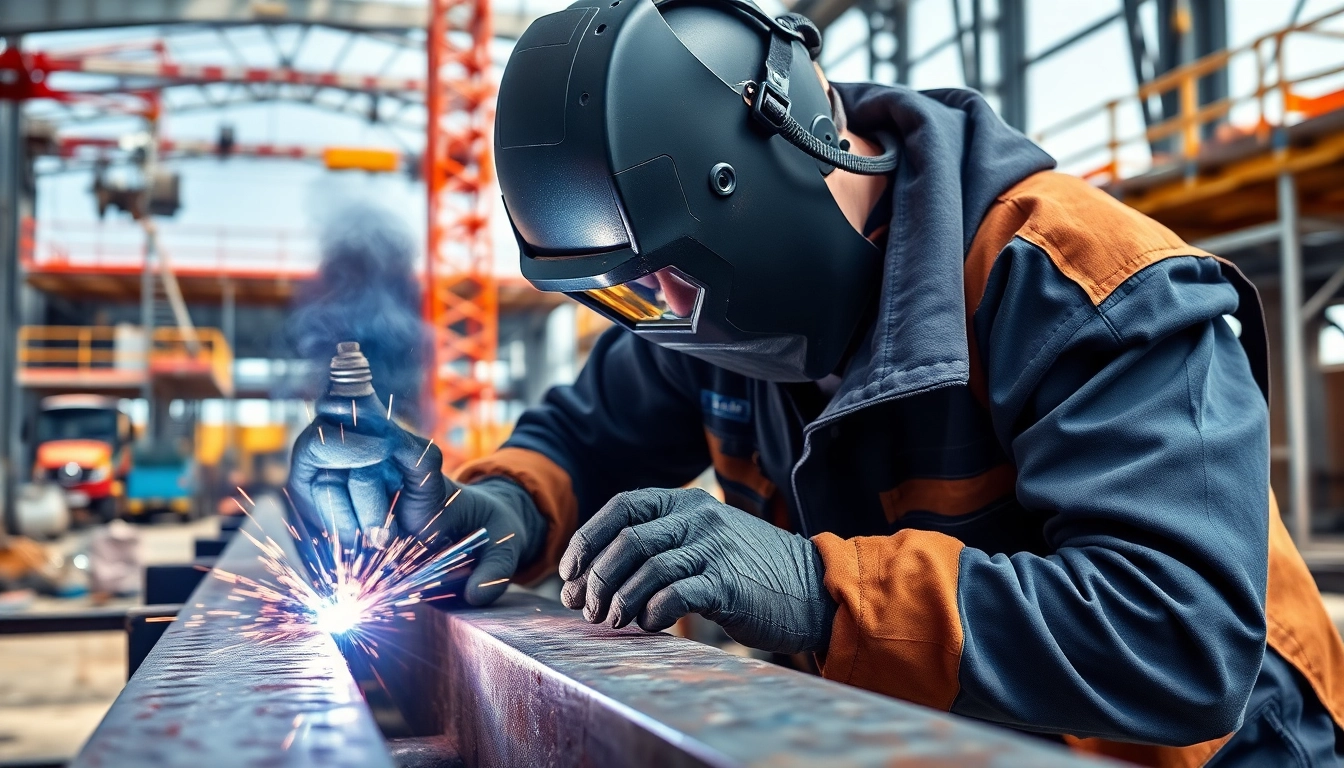
Structural steel welding refers to the process of joining structural steel components through a variety of welding techniques. This technical discipline plays a pivotal role in the construction and metal manufacturing industries, ensuring the integrity, durability, and safety of various structures such as buildings, bridges, and industrial facilities. Given the immense loads and stresses that structural elements often withstand, understanding the nuances of welding techniques is essential for engineers, fabricators, and welders alike. The reliability of structures largely depends on effective structural steel welding, making this process crucial for modern infrastructure.
Common Applications of Structural Steel Welding
Structural steel welding is employed in numerous applications. Notable among these are:
- Construction of Buildings: Structural steel welding forms the backbone of skyscrapers and large commercial buildings. It allows for quick assembly and the ability to support heavy loads.
- Bridges: The strength and adaptability of structural steel welds make them integral in bridge construction, where both tensile and compressive forces must be managed.
- Industrial Facilities: Factories and warehouses rely on structural steel frameworks that need robust welding to sustain heavy machinery and goods.
- Infrastructure Projects: Within public works, such as railways and airports, the ability to create solid, durable connections is paramount.
Key Types of Welding Techniques Used
Several welding techniques are prominent in structural steel applications:
- Shielded Metal Arc Welding (SMAW): Also known as stick welding, SMAW is often used for structural steel due to its versatility and robustness. It allows for various processes in enclosed or outdoor settings, making it ideal for construction projects.
- Gas Metal Arc Welding (GMAW): Commonly referenced as MIG welding, GMAW is favored for its speed and ease of use, particularly in factory settings and for materials that require a clean finish.
- Flux-Cored Arc Welding (FCAW): This technique is similar to GMAW, but it uses a tubular wire filled with flux. FCAW can be effective in windy outdoor conditions, making it suitable for structural steel welding on-site.
- Submerged Arc Welding (SAW): Used primarily for thick steel sections, SAW involves a submerged arc of molten metal and offers high deposition rates and deep weld penetration.
Preparation for Structural Steel Welding
Choosing the Right Materials and Equipment
The selection of materials and equipment plays a foundational role in successful structural steel welding. When choosing materials, consider the following:
- Grade of Steel: Structural steel comes in various grades, with common choices being ASTM A36 for general construction and ASTM A992 for buildings. The intended application will dictate the best choice.
- Electrode Selection: The type of welding electrode must also correspond with the steel grade and thickness, as each electrode is engineered for optimal performance based on these factors.
- Welding Machines: Depending on the technique used (SMAW, GMAW, or FCAW, etc.), appropriate welding machines should be selected to meet power requirements and deliver necessary amperage.
Essential Safety Measures for Welders
With the complexities and hazards associated with welding, ensuring safety is paramount:
- Personal Protective Equipment (PPE): Welders should wear helmets, gloves, long sleeves, and protective footwear to shield against sparks, heat, and ultraviolet radiation generated during the welding process.
- Ventilation: Adequate ventilation is critical to avoid inhalation of harmful fumes. Work areas should be well-ventilated or mechanical ventilation systems should be employed.
- Fire Safety: Welding areas should be devoid of flammable materials. Fire extinguishers should be accessible, and a fire watch should be maintained during and after welding operations.
Pre-Welding Inspection and Setup
Before any welding begins, a thorough inspection and setup ensure that all conditions are ideal for a successful weld:
- Steel Surface Preparation: Surfaces must be cleaned of rust, scale, or contamination to ensure proper adhesion. Techniques include grinding, abrasive blasting, or chemical cleaning.
- Weld Joint Design: The design and fit-up of weld joints should be planned considering the type of load they will bear. Proper alignment is essential for effective welding and strength.
- Equipment Check: Inspect welding equipment to ensure it operates correctly. This includes checking gas flow levels, electrode conditions, and ensuring no leaks in torches or hoses.
Executing Structural Steel Welding
Step-by-Step Welding Processes
Executing a weld is a multi-step process that follows systematic steps to maximize effectiveness:
- Setup: Position the steel components as per the weld design, ensuring proper clamping to prevent movement.
- Pre-Heating (if necessary): For certain materials or conditions, pre-heating the steel can mitigate the risk of cracking.
- Welding: Begin the welding process using the appropriate technique, maintaining a steady hand, and a consistent travel speed to ensure uniform weld quality.
- Cooling: Allow the heat-affected zone to cool down naturally; rapid cooling can lead to warping or cracking.
Tips for Achieving Strong Welds
For welders, achieving strong and reliable welds requires consideration of several critical factors:
- Maintain Proper Heat Settings: Too much or too little heat can lead to poor penetration or burn-through. Adjust the amperage based on material thickness.
- Control Travel Speed: Move the welding torch at a consistent speed to create a uniform weld bead and optimum penetration.
- Monitor Arc Length: The distance between the electrode and the workpiece should be consistent to maintain arc stability and weld quality.
Common Mistakes to Avoid
Several common mistakes can compromise weld quality:
- Poor Fit-Up: Inadequate joint preparation can lead to weak welds and failures. Always ensure joints are aligned and have adequate gaps.
- Ignoring Slag Removal: Failing to remove slag and contaminants between welding passes can result in inclusions and weaknesses in the weld.
- Inconsistent Amp Settings: Fluctuating amperage during welding can create weak points. Always set amps according to material requirements.
Post-Welding Procedures
Inspection and Quality Control Measures
After welding is completed, it is crucial to conduct inspections to verify the integrity of the joints:
- Visual Inspection: Check for defects such as cracks, excessive undercutting, or incomplete fusion.
- Non-Destructive Testing (NDT): Employ techniques such as ultrasonic testing or magnetic particle inspection to assess weld quality without damaging the part.
- Documentation: Keep records of inspection results for quality control and regulatory compliance.
Common Repairs and Touch-Up Techniques
Weld repairs may be necessary for defects throughout the welding process:
- Grinding: Surface defects can often be smoothed out using grinding tools before re-welding.
- Re-Welding: If a weld is deemed defective, a proper method is to grind out the defective section and re-weld as per guidelines.
- Weld Reinforcement: Sometimes additional material may be needed to reinforce the joint integrity.
Implementing Maintenance for Welded Structures
Just as important as the initial welding process is ongoing maintenance to ensure the longevity and safety of welded structures:
- Regular Inspections: Scheduled inspections can identify areas of stress, corrosion, or fatigue early to prevent significant failures.
- Protective Coatings: Applying protective coatings can safeguard against environmental damage and corrosion, particularly in outdoor constructions.
- Document Maintenance Records: Keeping thorough maintenance logs assists in tracking the condition of structures and facilitates timely repairs.
Future Trends in Structural Steel Welding
Emerging Technologies in Welding
The landscape of structural steel welding is continuously evolving with advancements in technology:
- Automation and Robotics: Automated welding systems utilize robots to perform precise welding tasks efficiently, reducing human error and increasing production rates.
- Advanced Materials: The development of new alloys and composite materials will allow for stronger, lighter structural components, impacting joinability and welding techniques.
- Real-Time Monitoring: Enhanced monitoring technologies allow for real-time feedback during welding processes, improving quality and reducing waste.
Industry Standards and Certifications
Adhering to industry standards is vital for ensuring quality and safety in structural steel welding:
- AWS D1.1: The American Welding Society (AWS) D1.1 standard provides guidelines for welding structural steel, including qualifications and recommendations for best practices.
- ISO Standards: International Organization for Standardization (ISO) certification is increasingly requiring companies to meet international quality standards in welding practices.
Environmental Considerations and Sustainability Practices
With increasing awareness around environmental issues, the welding industry is focusing on sustainable practices:
- Recycling and Reuse: Many steel manufacturers now prioritize recycling materials and reducing waste during the production and fabrication process.
- Green Welding Processes: Emerging technologies aim to reduce the environmental impact of welding by utilizing less energy and producing minimal fumes and waste.