Understanding the Benefits of Ceramic Window Tint
What is Ceramic Window Tint?
Ceramic window tint is an advanced film composed of ceramic particles, designed to be applied to the windows of vehicles and buildings. Unlike traditional tints, which are often made from dyes or metallic materials, ceramic window tint offers superior heat rejection and UV protection without compromising visibility. It is particularly favored for its durability and the fact that it does not interfere with electronic signals, making it ideal for modern vehicles equipped with GPS, Bluetooth, and other technologies. If you're considering upgrading your vehicle's windows, investing in ceramic window tint is a potential game-changer in enhancing your driving experience.
Advantages of Ceramic Window Tint
The advantages of ceramic window tint are numerous. Firstly, it excels in blocking harmful UV rays, which can lead to skin damage and fading of your interior upholstery. Studies indicate that up to 99% of harmful UV rays can be filtered out by high-quality ceramic films. Additionally, this type of tint provides outstanding infrared heat rejection, helping to keep the interior of your vehicle cooler, thus reducing the need for air conditioning and improving fuel efficiency. Unlike traditional tints, ceramic films are less prone to fading and discoloration over time, maintaining their appearance for years. The overall result is not only enhanced comfort but also potential long-term savings on energy costs.
How Ceramic Window Tint Enhances Comfort
Comfort in a vehicle goes beyond just seating and air conditioning; it also includes how the cabin feels in terms of temperature and glare. Ceramic window tint effectively reduces glare from the sun, allowing for a more pleasant driving experience without the strain that excessive light can cause. Furthermore, by limiting heat transfer, the interior remains at a more stable temperature, regardless of external conditions. This is particularly beneficial in hot climates where excessive heat can lead to discomfort during drives. Hence, ceramic window tint enhances your comfort and helps create a more enjoyable driving environment.
Choosing the Right Ceramic Window Tint
Factors to Consider When Selecting
When selecting ceramic window tint, several factors should guide your choice. Firstly, consider the level of tint darkness you wish to achieve. Different states have varying laws regarding window tinting, so it's essential to ensure that your choice complies with local regulations. Secondly, evaluate the heat rejection rate; higher percentages indicate better performance in keeping your vehicle cool. Additionally, check for warranties offered by manufacturers, as a longer warranty typically indicates a higher-quality product.
Types of Ceramic Window Tint Available
Ceramic window tint comes in various types, each designed to meet specific needs. For instance, there are non-reflective films that allow for maximum visibility while still providing excellent UV and heat protection. There are also tinted options that can complement your vehicle's style while offering similar benefits. It’s important to test samples whenever possible to determine which type works best for your aesthetic desires and functional requirements.
Evaluating Quality and Performance
Evaluating the quality and performance of ceramic window tint involves examining several properties. Check for an NFRC (National Fenestration Rating Council) label, which helps you understand the film’s solar heat gain and visible light transmission. Additionally, look for independent reviews and customer testimonials. Professional installation quality is also a factor; poorly applied tint can peel or bubble over time, diminishing its effectiveness. Engaging a reputable installer with experience in ceramic window films can significantly impact performance quality.
Installation Process of Ceramic Window Tint
Preparation Steps Before Installation
Preparation is vital for ensuring that the installation of ceramic window tint goes smoothly. Firstly, the windows must be thoroughly cleaned to remove dirt, oil, and other residues that could affect adhesion. It’s also advisable to inspect the windows for any chips or cracks that could worsen after installation. If necessary, repair these imperfections to ensure a flawless job. Scheduling installations in controlled environments can also minimize dust and debris interference during the process.
Step-by-Step Guide to Installation
- Pre-cleaning: Ensure windows are spotless using a specialized cleaner.
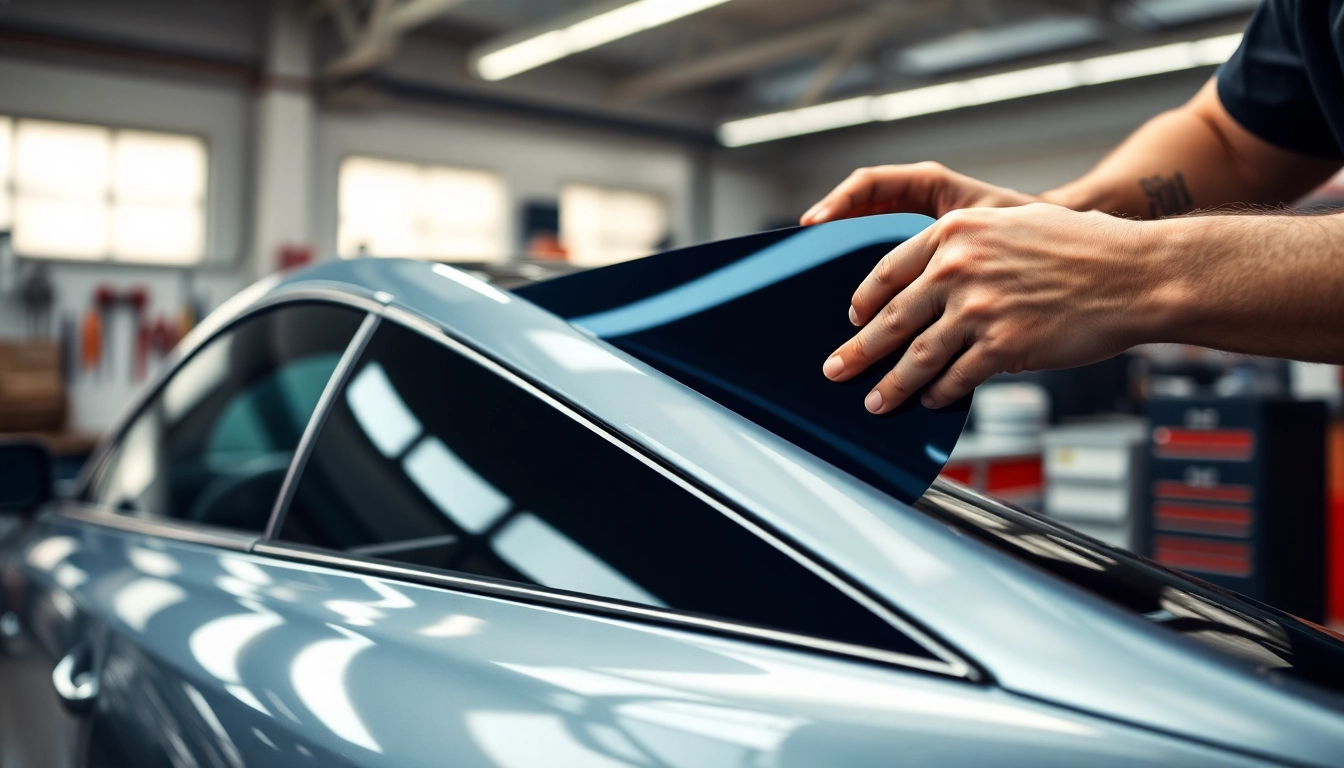
- Cut the film: Measure and cut the ceramic film to match window dimensions, allowing a slight overlap.
- Soak the window: Spray the window with a slip solution to facilitate film application.
- Apply the film: Carefully position the film onto the wet surface, starting from one side and smoothing out bubbles as you go.
- Trim edges: Once in place, trim excess film for a clean finish.
- Heat shrinking (if necessary): Use a heat gun to shrink any areas that may bubble or wrinkle.
- Final touches: Remove any excess water and ensure the seal is tight.
Common Mistakes to Avoid During Installation
There are several common pitfalls to avoid during installation. Neglecting proper window cleaning can lead to subpar adhesion, while miscalculating sizes can result in wasted material. Attempting to rush through the application process often leads to bubbles and wrinkles. Additionally, using incorrect tools may damage the film or the window itself. It's advisable to take your time and, if uncertain, consult with professionals who have experience in installing ceramic window tint.
Maintaining Your Ceramic Window Tint
Best Practices for Care and Maintenance
Proper maintenance is essential for prolonging the life of ceramic window tint. Initially, avoid rolling down windows for at least 48 hours post-installation to allow the film to cure fully. After this period, gentle cleaning should be practiced to avoid scratching or degrading the film. Utilize soft microfiber cloths and pH-balanced cleaning solutions designed for window tints to prevent adhesive breakdown.
Cleaning Techniques for Longevity
To clean ceramic window tint effectively, use a simple mixture of water and mild soap. Apply the solution with a microfiber cloth, gently wiping the surface to avoid scratches. Avoid ammonia-based cleaners, as they can damage the tint material over time. Regular maintenance every few weeks will help keep your windows clear while preserving the benefits of the ceramic film.
Signs It’s Time for Replacement
Even high-quality ceramic window tints may need replacement after several years. Signs of deterioration include bubbling, peeling, or discoloration. Visible scratches that obscure vision or a change in tint color can indicate the film has lost its effectiveness. Replacement should be considered as soon as these signs become apparent to maintain safety and aesthetics.
FAQs About Ceramic Window Tint
What Makes Ceramic Window Tint Different?
Ceramic window tint is distinguished by its composition of ceramic particles, offering superior heat rejection and UV protection compared to traditional tints, without affecting electronic signals.
How Long Does Ceramic Window Tint Last?
With proper care and maintenance, ceramic window tint can last well over a decade. Its durability maintains its appearance and functionality long-term, outperforming conventional tints.
Is Ceramic Window Tint Worth the Investment?
Yes, the long-term benefits, including reduced energy costs and enhanced comfort, typically justify the initial investment in ceramic window tint. Its durability and resistance to fading add further value.
Can I Remove Ceramic Window Tint Myself?
While it’s possible to remove ceramic window tint yourself, it’s often better to seek professional help to ensure a safe and effective removal process without damaging the glass.
Does Ceramic Window Tint Affect Night Driving?
Ceramic window tint is designed to minimize glare from headlights and streetlights, improving visibility and comfort while driving at night. It does not significantly reduce visibility, making it safe for nighttime driving.