Understanding Microwave Oven Basics
What is a Microwave Oven?
A microwave oven is a modern kitchen appliance that uses electromagnetic radiation in the microwave frequency range to heat and cook food. Unlike conventional ovens that rely on direct heat, microwave ovens use microwaves to agitate water molecules within food, resulting in a quick and even cooking process. This electric appliance has become indispensable in many kitchens, allowing for rapid meal preparation and reheating with minimal effort. For a deeper dive into different models and options, consider checking out selections available at microwave oven retailers.
Key Components of a Microwave Oven
A microwave oven comprises several essential components that work together to ensure efficient cooking:
- Magnetron: This is the heart of the microwave oven, generating microwaves that penetrate food.
- Waveguide: This component directs the microwaves from the magnetron to the cooking cavity.
- Cooking Cavity: The interior space where food is placed; designed to reflect microwaves for even heating.
- Control Panel: Lets users set power levels, cooking times, and special functions.
- Turntable: A rotating plate that ensures even cooking by allowing microwaves to distribute uniformly.
How Does a Microwave Oven Work?
The cooking process in a microwave oven is based on electromagnetic waves. When the oven is turned on, the magnetron produces microwaves that bounce around inside the cooking cavity, agitating water molecules in the food. As these molecules move rapidly, they generate heat, allowing the food to cook from the inside out. This method not only speeds up cooking times but also helps retain moisture and nutrients, distinguishing it from traditional cooking methods.
Types of Microwave Ovens Explained
Countertop Microwave Oven
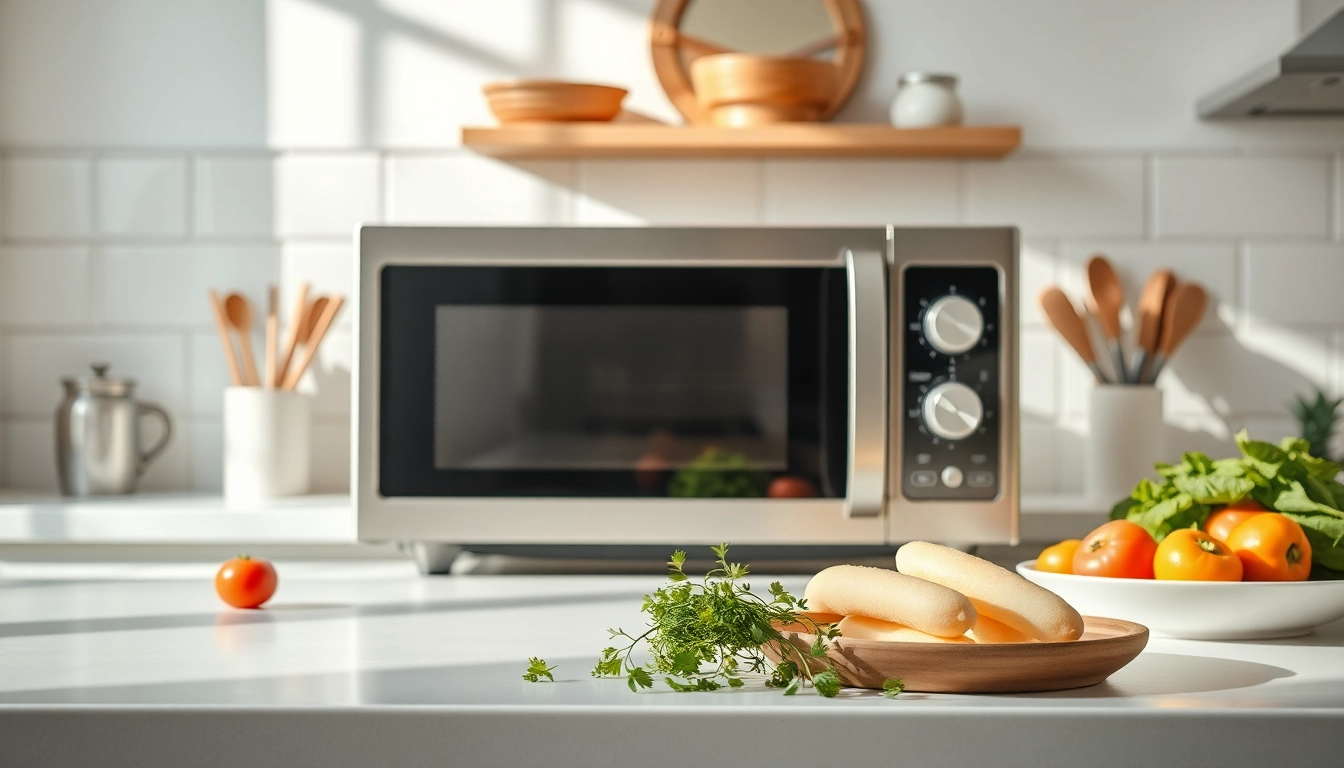
The countertop microwave oven is the most common type found in homes. It is portable, versatile, and usually less expensive than built-in models. With a variety of sizes and power ratings, it can handle reheating, defrosting, and basic cooking tasks. Space-efficient and user-friendly, these ovens often come with preset functions for common foods, streamlining everyday cooking processes.
Over-the-Range Microwave Oven
Designed to save counter space, over-the-range microwave ovens are installed above the stove and serve a dual purpose. Not only do they function as a microwave, but they also serve as a range hood, venting smoke and odors from cooking. These models often include additional features like built-in lights and fan settings, making them a practical choice for kitchens with limited space.
Built-in Microwave Oven
Built-in microwave ovens are integrated into kitchen cabinetry, providing a sleek and customized appearance. Often more expensive than countertop options, they are generally equipped with advanced features and higher power levels, making them suitable for various cooking tasks. The installation can be more complex, requiring professional assistance, but the aesthetic appeal and convenience might justify the investment.
Essential Features to Consider
Power Levels and Cooking Presets
When selecting a microwave oven, pay attention to its power levels. Most models range from 600 to 1200 watts, with higher wattage allowing for faster cooking. Additionally, many microwaves offer preset options for cooking specific foods like popcorn, pizza, or baked potatoes, contributing to convenience and precision in food preparation.
Size and Capacity of a Microwave Oven
Microwaves come in various sizes, from compact models suitable for small spaces to larger units designed to accommodate multiple cooking needs. The capacity, measured in cubic feet, affects how much food can be cooked or reheated at once. It’s essential to choose a size that fits your kitchen space and meets your cooking habits.
Energy Efficiency Ratings
Energy efficiency is another critical consideration when choosing a microwave oven. Look for models with an ENERGY STAR rating, as these appliances typically consume less power and can lead to significant savings on energy bills. Reviews and specifications will often include information on energy consumption, helping to compare options more effectively.
Benefits of Using a Microwave Oven
Time-Saving Advantages
One of the primary benefits of using a microwave oven is its ability to cook and reheat food much faster than traditional ovens. Meals that would typically take hours to prepare can often be completed in minutes, making it a favorite for busy households and those looking to save time in the kitchen.
Versatility in Cooking
While microwaves are commonly associated with reheating food, they can do much more. Many models feature grilling, baking, and convection settings, enabling users to prepare a wide variety of dishes. This versatility can simplify meal preparations, as numerous cooking methods can be executed in one appliance.
Health Benefits of Microwave Cooking
Cooking with a microwave oven can help retain more nutrients compared to traditional cooking methods that involve longer cooking times and higher heat. Additionally, because microwaves require less oil and fat for cooking, meals can be healthier. This aspect of microwave cooking aligns with contemporary trends toward health-conscious meal preparation.
Frequently Asked Questions about Microwave Ovens
Can a microwave oven replace a traditional oven?
While a microwave oven can handle basic cooking tasks, it cannot completely replace a traditional oven, especially for baking or certain cooking techniques requiring dry heat.
What is the ideal wattage for a microwave oven?
An ideal wattage ranges from 1000 to 1200 watts for average households, ensuring efficient cooking times and versatility in food preparation.
How do I clean my microwave oven effectively?
To clean your microwave, use a mixture of vinegar and water in a bowl and microwave it for a few minutes. This steam helps loosen grime and stains, making it easier to wipe down the surfaces.
Is it safe to microwave plastic containers?
Not all plastic containers are microwave-safe. Look for containers labeled “microwave-safe” to ensure they won't melt or release harmful chemicals during heating.
What cooking methods can I use with a microwave oven?
You can use methods such as reheating, defrosting, steaming, and even baking or grilling with the help of special microwave cookware designed for these tasks.