
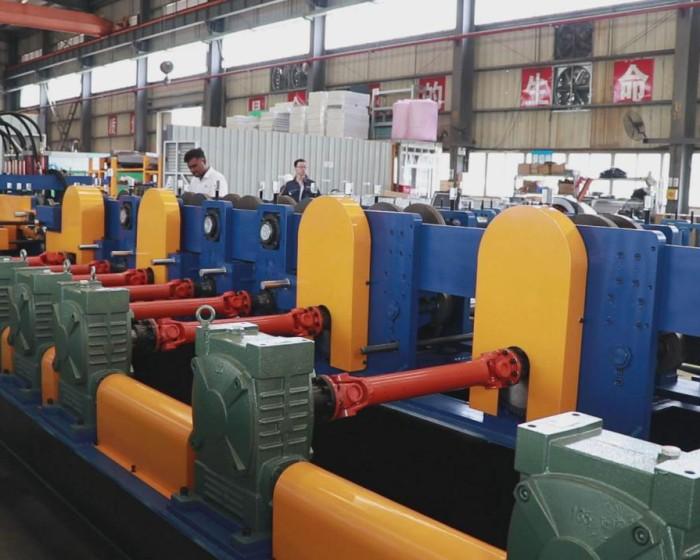
Modern manufacturing industries are continuously looking for ways to improve productivity, reduce production costs, and maintain consistent product quality. In the construction and metal processing sectors, choosing the right equipment plays an important role in achieving these goals. A roll forming machine has become an essential investment for businesses that require accurate, durable, and high-volume metal profile production.
With advanced technology and automation features, modern purlin roll forming machine help manufacturers create customized metal components with greater efficiency. However, selecting the right machine requires careful consideration of production needs, material requirements, and operational goals.
A well-chosen roll forming system can improve manufacturing performance, reduce waste, and support long-term business growth.
Understanding the Role of Roll Forming Machines
Roll forming machines are designed to continuously shape metal sheets into specific profiles through a series of forming rollers. This process allows manufacturers to produce strong and precise components while maintaining consistent quality.
Unlike traditional fabrication methods that may require multiple production steps, roll forming provides a streamlined solution for creating metal products. This makes it suitable for industries that need reliable output and faster manufacturing cycles.
From roofing materials to structural components, roll forming technology supports a wide range of construction and industrial applications.
Key Factors to Consider Before Choosing a Roll Forming Machine
Production Requirements
One of the first factors businesses should evaluate is their production demand. Different industries require different levels of output, and the selected machine should match the required production capacity.
For large-scale manufacturing operations, high-speed roll forming systems with automated features can help maintain continuous production. Smaller businesses may choose machines that offer flexibility while meeting their current needs.
Understanding production goals helps companies select equipment that delivers better efficiency without unnecessary investment.
Material Compatibility
The type and thickness of material being processed also influence the choice of a roll forming machine. Different metals require specific machine settings to achieve accurate shaping and reliable performance.
Manufacturers should consider whether the machine can handle the required materials while maintaining product quality. A suitable system ensures smooth operation and reduces the risk of production issues.
Machine Design and Customization Options
Every business has unique manufacturing requirements. A good roll forming machine should provide flexibility in producing different profiles and designs.
Modern systems allow manufacturers to adjust settings, change tooling, and create customized components based on project specifications. This adaptability helps businesses serve different customers and expand their product range.
The Importance of Purlin Roll Forming Machines
Structural components are a major part of modern construction projects, and purlins provide essential support in many steel building systems. A purlin roll forming machine is specially developed to manufacture strong and accurate purlin profiles used in roofs, walls, and steel structures.
These machines help manufacturers produce lightweight yet durable components with consistent dimensions. Their efficient forming process improves production speed while maintaining the quality required for construction applications.
For companies involved in industrial buildings, warehouses, and commercial projects, investing in reliable purlin production equipment can improve overall manufacturing efficiency.
Benefits of Choosing an Automated Roll Forming System
Automation has changed the way manufacturers operate by reducing manual work and improving production accuracy. Modern roll forming machines often include advanced control systems that simplify operation and increase productivity.
Features such as automated feeding, computerized controls, and automatic cutting systems allow businesses to maintain smoother workflows. These technologies help reduce errors and improve the consistency of finished products.
Automatic stacking is another useful feature that supports efficient material handling. It organizes finished profiles after production, making storage and transportation easier while reducing manual handling requirements.
Improving Efficiency and Reducing Production Costs
A suitable roll forming machine helps businesses achieve better resource management. Faster production cycles, reduced material waste, and lower labor requirements contribute to improved operational efficiency.
By selecting equipment that matches their production goals, manufacturers can avoid unnecessary downtime and increase their overall output. This creates better value from the initial investment.
In competitive markets, efficient machinery helps companies deliver quality products while maintaining reasonable production costs.
Common Applications of Roll Forming Machines
Roll forming technology is widely used in many industries, including:
- Construction material manufacturing
- Roofing and wall panel production
- Steel framing systems
- Industrial building structures
- Storage and warehouse solutions
- Metal profile manufacturing
- Customized steel component production
The flexibility of these machines allows businesses to create products for different applications and customer requirements.
How to Select the Best Machine for Your Business
Before purchasing a roll forming machine, businesses should evaluate machine quality, production capacity, maintenance requirements, and technical support. A reliable supplier can help companies choose equipment that matches their operational needs.
Important features to review include roller quality, automation level, forming speed, control systems, and durability. Selecting the right machine ensures stable performance and long-term productivity.
A proper investment in roll forming technology can help businesses improve manufacturing processes and remain competitive in the industry.
Conclusion
Choosing the right stacking systems is an important decision for businesses that want to improve efficiency, quality, and production capabilities. With advanced features and automation, these machines provide reliable solutions for modern manufacturing requirements.
Whether producing construction materials or structural components, companies can benefit from improved accuracy and faster production. Solutions such as a purlin roll forming machine and automatic stacking systems allow manufacturers to achieve better workflow management and long-term business success.