Understanding Location Scouting
What Is Location Scouting?
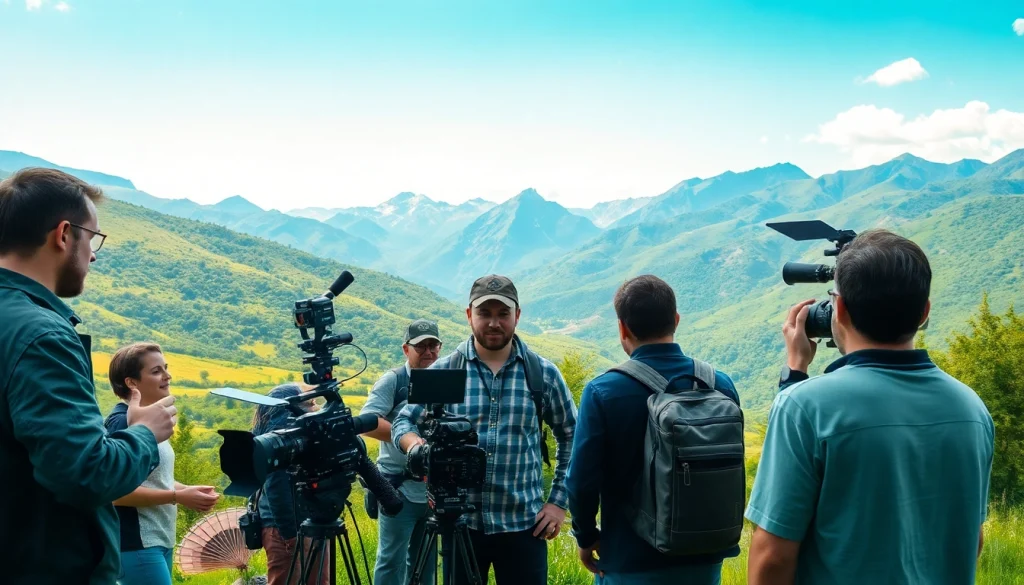
Location scouting is the process of searching for suitable sites to film or photograph a project. This integral part of filmmaking and photography involves not only identifying visually appealing backdrops but also considering logistical aspects, such as accessibility, lighting, and local regulations. Successful location scouting enables filmmakers to convey their narrative effectively, establishing a connection with the audience through poignant visuals.
The Importance of Location Scouting
The significance of location scouting cannot be overstated. The right location can dramatically enhance the storytelling aspect of a project, serving as a character in its own right. It helps create an authentic atmosphere, ultimately influencing the final product’s success. By investing time and resources into thorough location scouting, filmmakers ensure that their settings resonate with emotional depth and visual richness.
Types of Locations and Their Impact
Different types of locations evoke various emotions and themes. Urban landscapes might convey a sense of chaos or modernity, while natural settings can depict tranquility or isolation. Historical sites may lend an air of nostalgia or gravitas. Understanding the emotional landscape associated with each type of location helps filmmakers and photographers make informed decisions that serve their narratives better. By selecting a location that reflects the desired tone, creators can enhance the audience’s connection to the story.
Key Techniques for Effective Location Scouting
Researching Potential Locations
Research forms the backbone of effective location scouting. Utilizing online resources, such as location databases, Google Maps, and local film commissions, can significantly streamline the search process. Social media platforms, especially visual-centric ones, can offer insights into hidden gems that may not be broadly listed. Gathering information about the visual aesthetics, climate conditions, and amenities of these locations can provide critical data that informs decisions.
Utilizing Technology for Scouting
Technology revolutionizes how location scouts approach their tasks. Drones, for example, provide aerial views of potential sites, allowing scouts to assess their suitability from unique perspectives. Smartphone apps tailored for filmmakers can assist in gauging light conditions and even in planning shots based on the sun’s path. Virtual reality tools can give filmmakers an immersive experience of the location before physically visiting, saving time and resources.
Assessing Accessibility and Logistics
Logistical considerations are pivotal in the scouting process. Assessing the accessibility of a location—how easily the crew and equipment can reach it—can determine its feasibility. Additionally, understanding local regulations regarding film permits, noise restrictions, and public space rules can mitigate potential complications. Factors like available parking, restroom facilities, and nearby accommodations also play crucial roles, especially for longer shoots.
Creating a Location Scouting Checklist
Essential Attributes to Consider
When scouting locations, several essential attributes should be prioritized: visual appeal, safety, and sound environment. Evaluating the aesthetics involves considering color palettes, textures, and unique features that can complement the project’s theme. Safety concerns, from potential hazards to areas requiring special equipment, must also be addressed. Noise levels, particularly for dialogue-heavy scenes, should not be overlooked; choosing a location with minimal distractions is vital for maintaining audio integrity.
Evaluating Aesthetic Compatibility
Assessing aesthetic compatibility between the location and project vision is crucial. This evaluation includes examining how well elements such as lighting, color schemes, and architectural styles align with the narrative’s tone. Conducting test shoots in various lighting conditions can provide insight into how the location interacts with the chosen cinematography style, ensuring that every frame aligns with the overall artistic direction of the project.
Incorporating Crew Needs
The crew’s comfort and effectiveness can be influenced by the chosen location. It’s essential to consider not only the physical space available for equipment but also areas for crew breaks, meals, and general well-being. Adequate power sources for equipment and reliable communication signals should also be evaluated. A well-thought-out location plan that considers these aspects allows the crew to focus on their creative outputs without unnecessary distractions.
Best Practices in Location Scouting
Conducting Initial Visits
Initial visits to potential locations are integral to successful scouting. During these visits, scouts should take thorough notes and photographs, capturing each site from multiple angles and in various lighting conditions. Observing the location firsthand can reveal aspects that may not be evident through research alone, such as noise levels and potential accessibility challenges. Engaging in discussions with local residents can also yield valuable insights that enhance understanding of the area.
Establishing Relationships with Location Owners
Building rapport with location owners can significantly smooth the scouting and filming processes. Offering incentives, such as showcasing the location in the final project or providing access to behind-the-scenes content, can create mutually beneficial relationships. Clear communication about project timelines and specific needs fosters trust, often leading to more favorable terms for filming and potentially unlocking further options for future projects.
Documenting Scouted Locations
Documenting scouted locations meticulously is crucial for effective pre-production planning. This documentation should include photographs, logistical notes, and any visual references that underline potential challenges or highlight standout features. A location portfolio can serve as a reference for the entire crew during preparations and shoots. This organized approach ensures everyone is aligned on the vision and facilitates discussions about creative possibilities.
FAQs About Location Scouting
What are the first steps in location scouting?
The first steps in location scouting involve defining the project’s vision, conducting preliminary research, and compiling a list of potential sites based on aesthetic and logistical requirements.
How do I assess a location’s suitability?
To assess a location’s suitability, consider visual compatibility, accessibility for your crew and equipment, local regulations, and the environment’s acoustic quality for audio recording.
What tools can assist in location scouting?
Useful tools for location scouting include GPS apps, drone technology for aerial views, smartphone apps for lighting, and photography equipment to capture visuals accurately.
How vital is a location scout’s experience?
A location scout’s experience is very valuable. It enhances the ability to navigate challenges, build relationships with location owners, and identify suitable spots that meet creative needs effectively.
Can location scouting influence a shoot’s budget?
Yes, location scouting can significantly influence a shoot’s budget. Factors like travel costs, accommodation, permits, and any necessary modifications to the location can all impact financial planning.