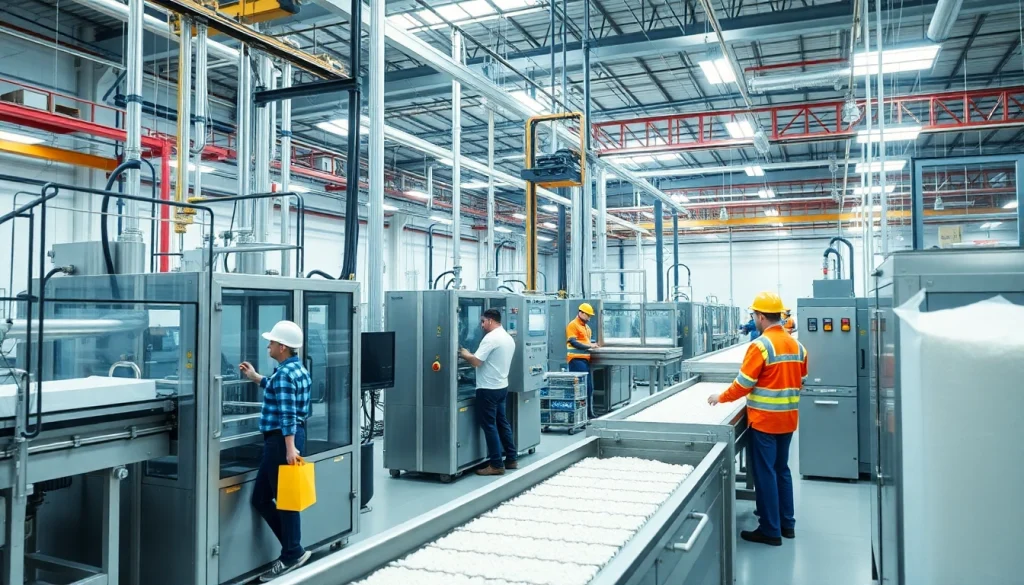
Understanding Bulk Sweetener Types
What is a Bulk Sweetener?
A bulk sweetener is a type of sweetening agent that not only provides sweetness but also adds volume and texture to food products. These sweeteners are often used in recipes where sugar is traditionally included, such as baked goods and beverages. They serve as a substitute for conventional sugar while providing similar functional properties, specifically in contributing to the overall mouthfeel and bulk of the final product.
Common Types of Bulk Sweeteners
Bulk sweeteners can be categorized into several distinct types, most of which are sugar alcohols or polyols. These include:
- Erythritol: A naturally occurring sugar alcohol that has about 70% of the sweetness of sugar, yet almost no calories.
- Isomalt: A sugar alcohol derived from beet sugar, often used in confections due to its ability to withstand high temperatures.
- Malitol: Known for its relatively high sweetness and fewer calories compared to sugar, it’s often found in sugar-free products.
- Glycerol: Also known as glycerin, this sweetener offers moisture retention, making it popular in baked goods and confections.
- Xylitol: This sugar alcohol is often used in dental products because it’s known to reduce cavities while providing similar sweetness to sugar.
Benefits of Using Bulk Sweetener
Utilizing bulk sweeteners comes with numerous advantages, particularly in the realm of health and nutrition:
- Lower Caloric Content: Many bulk sweeteners provide sweetness with fewer calories. They are ideal for those managing weight or caloric intake.
- Glycemic Control: Bulk sweeteners generally have a minimal impact on blood glucose levels, making them favorable for those with diabetes.
- Dental Health: Certain bulk sweeteners like xylitol can actually promote dental health, as they do not contribute to tooth decay.
- Reduced Sugar Cravings: They can satisfy sweet cravings without the excessive sugar consumption, aiding in better dietary habits.
Health Implications of Bulk Sweetener
Bulk Sweetener and Glycemic Index
The glycemic index (GI) measures how quickly a food raises blood sugar levels. Most bulk sweeteners rank low on the glycemic index, which means they have a minimal effect on blood glucose. This is beneficial for managing conditions like diabetes. For instance, erythritol scores 0 on the glycemic index, making it an excellent choice for diabetic individuals.
Impact on Metabolism
Though bulk sweeteners provide sweetness without leading to significant insulin spikes, it’s essential to consider their metabolic effects. Sugar alcohols are generally not fully absorbed by the body, leading to a lower caloric contribution. However, excessive intake can cause gastrointestinal discomfort, such as bloating and diarrhea due to their partial fermentation in the gut.
Considerations for Diabetics
For individuals with diabetes, incorporating bulk sweeteners can be a smart alternative to traditional sugar. They allow for sweet flavors without the associated rise in blood sugar. Nonetheless, users should monitor their overall intake, as excessive consumption of certain bulk sweeteners can lead to digestive issues.
How to Use Bulk Sweetener Effectively
Recipes Incorporating Bulk Sweeteners
Incorporating bulk sweeteners into recipes can be straightforward. Here are a few ideas:
- Baked Goods: Substitute sugar in recipes for cookies, cakes, or bread with bulk sweeteners like erythritol or xylitol, using a 1:1 ratio.
- Smoothies: Add bulk sweeteners for sweetness without extra calories; they blend well and don’t alter the texture significantly.
- Sauces and Dressings: Use isomalt or glycerol to add sweetness in sauces or salad dressings without the sugar content.
Storage Tips for Bulk Sweetener
Proper storage is key for maintaining the quality of bulk sweeteners:
- Humidity Control: Keep them in a cool, dry place to prevent clumping or degradation.
- Airtight Containers: Store bulk sweeteners in airtight containers to maintain freshness and prevent moisture absorption.
Measuring Bulk Sweetener Correctly
When substituting bulk sweeteners for sugar, accuracy in measurement is crucial. Different sweeteners have varying sweetness levels, impacting the desired sweetness of the final dish:
- Use kitchen scales for precision, especially in baking where balance is key.
- Refer to conversion charts specific to the bulk sweetener being used, as ratios can vary substantially.
Comparing Bulk Sweetener with Other Alternatives
Bulk Sweeteners vs. Intense Sweeteners
While bulk sweeteners provide both sweetness and volume, intense sweeteners, such as aspartame or sucralose, provide sweetness without the bulk or caloric content. For example, stevia and monk fruit are considered intense sweeteners. Choosing between them depends on the recipe context; bulk sweeteners are often better for baking due to their volume properties.
Natural vs. Artificial Bulk Sweeteners
Natural bulk sweeteners, such as those derived from plants, often come with health benefits and flavors that many consumers prefer. In contrast, artificial sweeteners may offer a more pronounced sweetness but can come under scrutiny for potential health concerns. Evaluating these options involves considering dietary preferences and individual health needs.
Cost-Effectiveness of Bulk Sweetener
In many instances, purchasing bulk sweeteners can be more cost-effective than buying sugar, especially for those who use them regularly. Pricing can vary based on the type of bulk sweetener, desired form (granular, liquid), and quality (organic versus conventional).
Future Trends in Bulk Sweetener
Innovation in Bulk Sweetener Products
The bulk sweetener market is witnessing continuous innovations, including blends that combine multiple sweeteners to balance flavor, sweetness, and texture. Research into natural alternatives is advancing, making it likely that healthier options will become available more frequently.
Consumer Preferences Shaping the Market
As consumers become increasingly health-conscious, trends show a shift towards lower-calorie and naturally-derived sweeteners. Brands are likely to cater more towards organic and minimally-processed options to align with these preferences.
Environmental Impact and Sustainability
With growing environmental awareness, sweetener manufacturers are adopting sustainable practices in production and sourcing. This trend not only benefits the environment but also appeals to eco-conscious consumers who are concerned about the carbon footprint of their food.
Frequently Asked Questions (FAQs)
What is a bulk sweetener?
Bulk sweeteners are sweetening agents that provide sweetness as well as volume to food products, often derived from sugar alcohols. They serve as substitutes for sugar and are used in various recipes.
Are bulk sweeteners safe for diabetics?
Many bulk sweeteners have a low glycemic index, making them suitable for diabetics. They can provide sweetness without significantly impacting blood sugar levels when used in moderation.
How should bulk sweeteners be stored?
Bulk sweeteners should be stored in a cool, dry place in airtight containers to maintain their quality and prevent moisture absorption or clumping.
Can bulk sweeteners be used in baking?
Yes, bulk sweeteners can be substituted for sugar in baking. However, it’s important to consider their sweetness levels and adjust measurements accordingly.
Are bulk sweeteners cheaper than sugar?
Bulk sweeteners can often be more cost-effective than sugar, especially for frequent users. Costs vary based on type and quality, but bulk purchasing typically saves money.