
Understanding the Fundamentals of Sports Broadcasting
What is Sports Broadcasting?
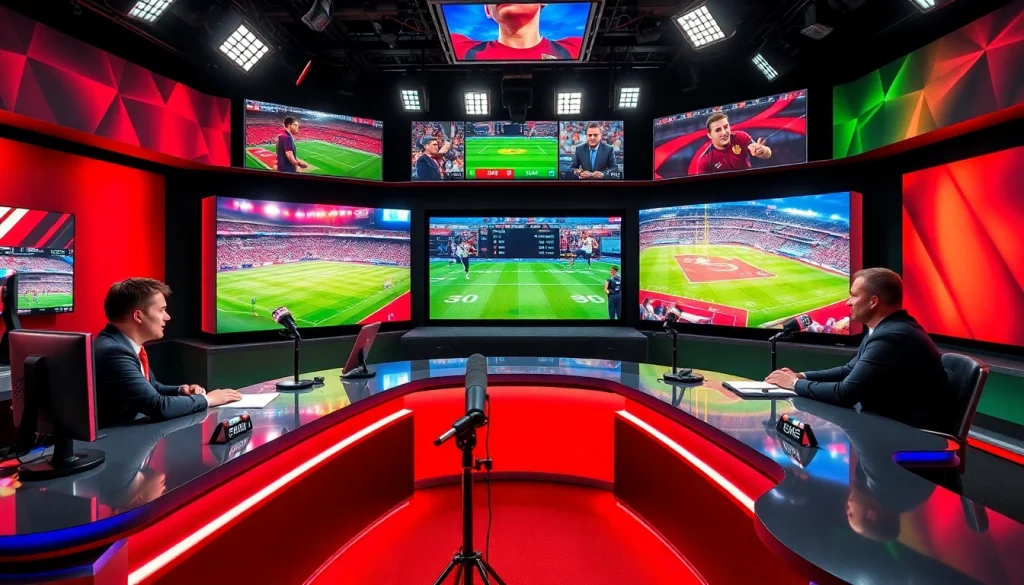
Sports broadcasting encompasses the production and transmission of live or recorded sporting events. It utilizes various platforms, including television, radio, and online streaming services, to deliver content to audiences. At its core, sports broadcasting aims to connect fans with their favorite sports, teams, and athletes, providing a unique viewing experience that transcends geographical boundaries. Information is often shared through a combination of play-by-play commentary, analysis, and visual storytelling, creating an immersive experience for sports enthusiasts. A robust understanding of Sports Broadcasting is essential for anyone interested in this dynamic field.
The Evolution of Sports Broadcasting
The journey of sports broadcasting can be traced back to the early 20th century when radio broadcasts first brought sports events into homes. Over time, the introduction of television revolutionized the industry, making it possible for viewers to experience games visually. The expansion of cable television in the late 20th century further transformed sports broadcasting by providing viewers access to dedicated sports networks, such as ESPN. More recently, the advent of the internet and digital streaming platforms has redefined how content is consumed, allowing for on-demand access and personalized viewing experiences.
Key Players in the Sports Broadcasting Industry
The sports broadcasting landscape comprises several key players, including major networks, streaming platforms, production companies, and sports leagues. Traditional broadcast networks like ABC, NBC, and CBS have long been significant players. However, with the rise of streaming, companies like Amazon Prime Video, Hulu, and dedicated sports streaming services have also gained traction. Additionally, sports leagues such as the NBA, NFL, and MLB have increasingly sought to control their content distribution, often creating their own networks and streaming platforms to reach fans directly.
Tech Innovations Transforming Sports Broadcasting
How Streaming Services Shape the Future of Sports Broadcasting
The rise of streaming services has profoundly impacted how sports are consumed. Services like Netflix have paved the way for viewers to expect high-quality, on-demand content. Sports broadcasting has embraced this trend, leading to the launch of platforms specifically for live sports. This transition allows fans to watch games on various devices, from smartphones to smart TVs, providing flexibility and accessibility. Moreover, many streaming platforms offer interactive features, such as alternate camera angles and real-time stats, enhancing the viewer experience.
Impact of Augmented and Virtual Reality
Augmented Reality (AR) and Virtual Reality (VR) are groundbreaking technologies significantly transforming sports broadcasting. AR enhances the viewer experience by overlaying digital graphics onto the real-world view, allowing fans to see live statistics or player information during games. VR, on the other hand, offers immersive experiences, enabling fans to feel as if they are sitting in the stadium or on the sidelines. These technologies create engaging environments, potentially increasing viewer retention and enriching the overall sports viewing experience.
Mobile Broadcasting Trends and Technologies
With the smartphone revolution, mobile broadcasting has become a cornerstone of the sports broadcasting industry. It allows fans to access live streams, highlights, and analysis anytime and anywhere. Mobile applications for sports networks provide notifications for game updates, allowing viewers to stay connected and engaged. Additionally, technological advancements such as 5G networks promise to enhance mobile broadcasting quality, ensuring that fans receive seamless high-definition video streams without buffering issues.
Strategies for Effective Sports Broadcasting
Crafting Compelling Storylines
One of the cornerstones of effective sports broadcasting is the ability to tell compelling stories. This involves weaving narratives around players, teams, rivalries, and turning points. Engaging commentary that highlights the drama and emotion of the moment can captivate viewers. Successful broadcasters often prepare by researching statistics, player backgrounds, and historical moments, ensuring a rich context that resonates with the audience and keeps them invested throughout the broadcast.
Engaging Viewers through Interactive Content
Interactive content has become a valuable tool for engaging viewers in the digital age. This includes live polls, quizzes, and social media integration that allow audiences to participate in the viewing experience. By encouraging viewer interaction, broadcasters can create a more immersive environment, fostering a community around shared passions. This strategy not only boosts engagement during live events but also aids in building brand loyalty among fans.
Utilizing Social Media for Audience Growth
Social media platforms serve as powerful tools for sports broadcasters to connect with fans. By sharing highlights, updates, and behind-the-scenes content, broadcasters can create an ongoing dialogue with their audience, keeping them engaged even between events. Moreover, platforms like Twitter, Instagram, and TikTok allow for targeted advertising campaigns that can bring new viewers to live broadcasts. Collaborating with influencers and athletes to promote events can further amplify this reach, creating a more inclusive sports community.
Understanding Audience Metrics in Sports Broadcasting
Key Metrics to Track in Sports Broadcasting
To gauge the effectiveness of sports broadcasting efforts, key metrics must be tracked. These include viewer ratings, audience demographics, and engagement rates on various platforms. Metrics such as Average Minute Audience (AMA) and Total Viewers offer insight into how many people are engaging with a broadcast. Understanding these numbers helps broadcasters tailor their content and marketing strategies to meet audience preferences effectively.
Analyzing Viewer Engagement and Retention
Engagement and retention are critical indicators of a broadcast’s success. Analyzing data on how long viewers stay tuned, which segments attract the most attention, and how often audiences return for subsequent broadcasts provides valuable insights into viewer behavior. Tools like heat maps illustrate when viewers tune in and out, enabling producers to optimize content delivery further. High retention rates often correlate with compelling storytelling and viewer-friendly formats.
Utilizing Data Analytics for Better Outcomes
Data analytics is invaluable in enhancing sports broadcasting practices. Leveraging analytics can help in precise targeting for advertisements, efficient content scheduling, and predicting viewer trends. By utilizing machine learning algorithms, broadcasters can analyze vast amounts of data and identify patterns that can provide a competitive edge. This analytical approach informs strategic decisions, ensuring that future broadcasts are even more tailored to the preferences of their audience.
Future Trends in Sports Broadcasting
Predictions for the Next Decade in Sports Broadcasting
As technology continues to evolve, the landscape of sports broadcasting will undoubtedly transform further. Predictions suggest an acceleration in direct-to-consumer models, where leagues will offer exclusive content directly through their apps and websites. Enhanced personalization capabilities are expected to create bespoke viewing experiences, allowing fans to curate their content. The next decade may well witness an integration of AI in commentary and highlight generation, revolutionizing how audiences interact with sports broadcasts.
Upcoming Technologies and Their Implications
Emerging technologies like Artificial Intelligence (AI), 5G networks, and advanced analytics will play pivotal roles in shaping sports broadcasting’s future. AI can streamline production processes, automate highlight creation, and enhance viewer engagement through personalized content delivery. 5G technology promises to deliver faster, more reliable streaming capabilities, enabling richer, more interactive content experiences. Together, these innovations will redefine audience expectations and the broadcasting experience.
Building a Sustainable Model for Sports Broadcasting
In a rapidly changing environment, sustainability has emerged as a critical consideration for sports broadcasting. This encompasses not only financial sustainability through diverse revenue streams but also environmental considerations. Broadcasters are beginning to explore how they can minimize their carbon footprint, from production to distribution. Emerging models focus on partnerships with eco-friendly companies and initiatives that promote sustainability in sports, potentially attracting a new, environmentally-conscious audience segment.
Frequently Asked Questions
What types of platforms are best for sports broadcasting?
Streaming platforms, cable networks, and digital media apps are ideal for reaching diverse audiences effectively.
How important are analytics in sports broadcasting?
Analytics help broadcasters understand viewer habits, improve content, and maximize audience engagement.
What roles are critical in sports broadcasting?
Key roles include hosts, analysts, production crew, and technical staff, each essential for quality broadcasts.
How does technology influence sports broadcasting?
Technology enhances viewer experience through innovations like instant replays, graphics, and interactive features.
What are the challenges faced in sports broadcasting?
Challenges include rising competition, maintaining viewer engagement, and adapting to rapidly changing technologies.