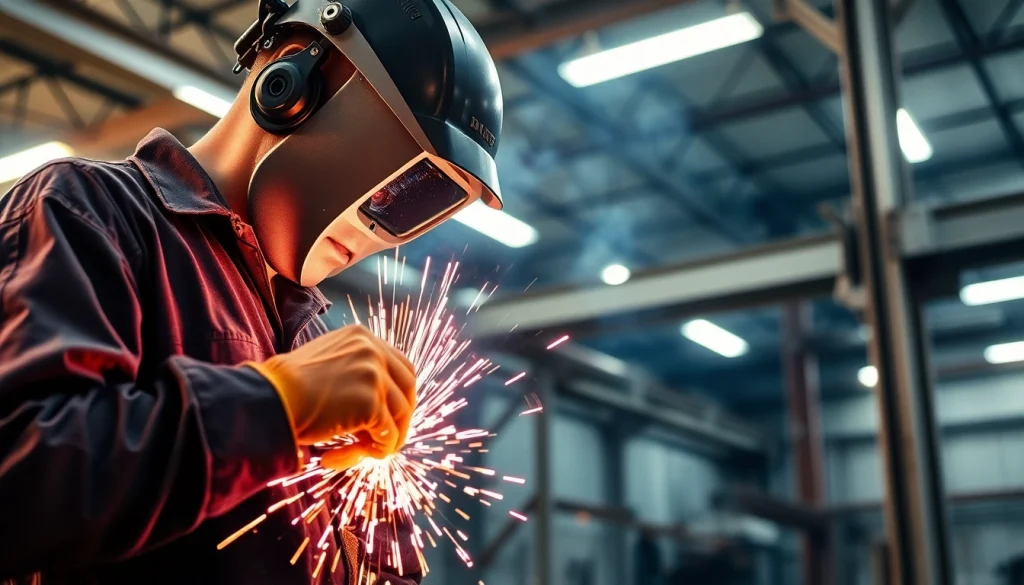
Understanding Structural Steel Welding
What is Structural Steel Welding?
Structural steel welding is a specialized field within the broader category of welding, focused on joining steel components that form the backbone of various structures, such as buildings, bridges, and industrial facilities. This process involves using high-heat techniques to fuse pieces of metal together, ensuring robust and durable connections that can withstand significant loads and environmental conditions. The precision and quality of structural steel welding are vital as they directly impact the safety and longevity of constructions.
The welding of structural steel components requires a deep understanding of materials, welding techniques, and applicable standards and regulations. In the world of construction and engineering, knowledge of structural steel welding is essential for engineers, architects, and fabricators alike.
Common Applications in Industries
Structural steel welding finds applications across various sectors, demonstrating its versatility and critical importance. Key industries include:
- Construction: Buildings and skyscrapers often utilize steel frameworks, all of which depend on precise welding to ensure structural integrity.
- Automotive: Welding has a vital role in manufacturing vehicle frames and components, ensuring strength and safety standards are met.
- Manufacturing: Heavy machinery and equipment frequently require robust frames that are assembled through structural welding.
- Bridge Construction: Bridges rely on steel for their structural components, necessitating comprehensive welding techniques to ensure safety and reliability.
- Shipbuilding: The maritime industry uses structural steel welding for ship frames and critical components, which need to withstand harsh ocean environments.
Types of Welding Techniques for Steel Structures
Various welding techniques are tailored to meet the needs of different applications and types of steel. Some common methods include:
- MIG Welding (GMAW): This method is known for its speed and versatility, making it an excellent choice for various thicknesses of steel.
- TIG Welding (GTAW): TIG welding offers high precision and is often utilized for stainless steel and aluminum but can also be effective for carbon steel.
- Stick Welding (SMAW): This is one of the most traditional methods and is widely used in construction due to its ability to perform well in windy and outdoor conditions.
- Flux-Cored Arc Welding (FCAW): Particularly effective in fieldwork, FCAW allows for welding in various positions and is often preferred for thicker sections of steel.
Essential Equipment for Structural Steel Welding
Overview of Welding Machines and Tools
Successful structural steel welding requires a variety of specialized equipment. The key tools include:
- Welding Machines: Depending on the technique, different machines are required, including MIG, TIG, and Stick welders. The choice depends on the project specifications.
- Welding Torches and Electrodes: A variety of electrodes and torches must be chosen based on the type of welding being performed.
- Cutting Tools: These may include plasma cutters or saws for preparing metal pieces before welding. Accurate cuts ensure proper fit-up and reduce rework.
- Clamps and Fixtures: To hold metal pieces securely in place during the welding process, ensuring accuracy and safety.
- Welding Positioners: These devices can rotate and tilt the workpiece to optimize welding angles and enhance productivity.
Safety Gear and Compliance Standards
Welding activities pose multiple safety risks, including exposure to intense heat, electric shock, and harmful fumes. Therefore, proper Personal Protective Equipment (PPE) is essential, including:
- Welding Helmets: To protect the eyes and face from intense light and heat.
- Gloves: High-quality leather gloves protect hands from burns and cuts.
- Protective Clothing: Fire-resistant clothing or aprons help prevent burns and injuries.
- Respirators: Necessary in poorly ventilated areas to filter out harmful fumes and particulates.
In addition to wearing PPE, it’s important to adhere to guidelines set by industry standards such as the American Welding Society (AWS) and Occupational Safety and Health Administration (OSHA) regulations, which offer protocols to ensure worker safety and equipment compliance.
Maintenance Tips for Welding Equipment
Regular maintenance of welding equipment is essential to ensure optimal performance and longevity. Here are a few best practices:
- Cleaning: Regularly clean the welding machine and tools to remove contaminants and debris that can affect performance.
- Inspections: Conduct routine inspections for wear and tear of crucial components such as cables, nozzles, and regulators.
- Calibration: Ensure welding machines are calibrated correctly to produce efficient and high-quality welds.
- Replace Worn Parts: Promptly replace any wear parts to maintain equipment safety and reliability.
The Welding Process: Step-by-Step Guide
Preparation and Setup for Welding
The preparation phase is crucial in the welding process. This stage includes:
- Material Selection: Choose the right type of steel based on the project’s load and environmental requirements.
- Surface Preparation: Clean the surfaces to be welded to eliminate rust, grease, and other contaminants.
- Fit-Up: Properly position and align the steel pieces for securing them before welding.
- Preheating: For certain types of steel, preheating can prevent cracking and improve the quality of the weld.
Techniques for Efficient Welding
Employing the right welding techniques can significantly enhance efficiency and quality. Key techniques include:
- Weaving Patterns: Develop consistent and suitable weaving patterns to create strong welds.
- Speed Control: Maintain an optimal travel speed to avoid burn-through while ensuring adequate penetration.
- Cooling Time: Allow appropriate cooling time after welding to prevent warping and cracks.
Inspecting and Testing Welds
Quality assurance in welding can be achieved through rigorous inspection methods:
- Visual Inspection: Check for surface flaws and ensure welds appear even and uniform.
- Non-Destructive Testing (NDT): Methods like ultrasonic testing or radiographic inspection can identify internal defects without damaging the weld.
- Destructive Testing: Samples might be tested to the point of failure in controlled conditions, providing insights into the weld’s overall strength.
Challenges in Structural Steel Welding
Common Issues and Solutions
Despite its critical role, structural steel welding can face various challenges:
- Weld Cracking: This can occur due to rapid cooling or improper joint preparation. Solutions involve controlling heat input and preheating materials.
- Incomplete Penetration: Insufficient penetration can weaken joints. Adjusting the technique and settings can often resolve this issue.
- Porosity: This defect results from trapped gases. Proper cleaning and shielding can prevent porosity in welds.
Dealing with Different Steel Grades
Working with various steel grades requires tailored approaches. Key considerations include:
- Knowledge of Material Properties: Different grades possess unique mechanical properties that affect welding techniques.
- Appropriate Filler Material: Selecting the right filler for compatibility with base metals can enhance joint quality and durability.
- Welding Techniques: Certain techniques may be more suited for specific grades; for instance, high-strength steels may require specialized methods.
Environmental Factors Impacting Welding Quality
Welding in unfavorable conditions can introduce complications such as:
- Wind: Wind can distort the shielding gas necessary for certain welding processes, leading to contamination and poor welds.
- Temperature: Extreme cold can affect the metal’s properties and result in weld cracking. Preheating may be necessary in such scenarios.
- Moisture: Humidity can lead to issues with rust and reduce the effectiveness of welds. Ensuring a dry environment is critical.
Enhancing Skills for Structural Steel Welding
Training and Certification Paths
Improving welding skills often involves structured training and certification. Opportunities for professional development include:
- Technical Schools: Enroll in programs focusing on welding technology to gain a formal education and hands-on experience.
- Apprenticeships: Learning directly under experienced welders provides unrivaled practical exposure.
- Certification Programs: Organizations such as the AWS offer certifications that are recognized industry-wide, validating skills and enhancing employability.
Using Technology for Skill Development
Technology plays a significant role in advancing welding skills. Some of these innovations include:
- Virtual Training Simulators: These allow welders to practice and refine their skills in a realistic yet risk-free environment.
- Online Courses: Many institutions offer online resources and training programs tailored to diverse skill levels.
- Mobile Apps: Applications focused on welding calculations and simulations can provide immediate assistance and knowledge enhancement.
Staying Updated with Industry Innovations
Ongoing education is crucial in the ever-evolving field of welding. Ways to stay informed include:
- Industry Conferences: Attending events allows professionals to exchange knowledge and learn about the latest developments.
- Subscriptions to Journals: Regularly reading trade publications keeps welders updated on new technologies and best practices.
- Professional Networking: Joining welding associations can provide access to a wealth of knowledge and resources through community interaction.